 English
 Español
 Deutsch
 Português
 italiano
 Français
 عربى
عربى
Search
News categories
Recommend News
News categories
Recommend News
-
-
-
 Industry News The Rusting Reason of Stainless Steel Laundry Cabinet
 -
 Aug 14, 2026 - By admin
Is a Portable Barbecue Worth It? Pros, Costs & Better Alternatives
Aug 14, 2026 - By admin
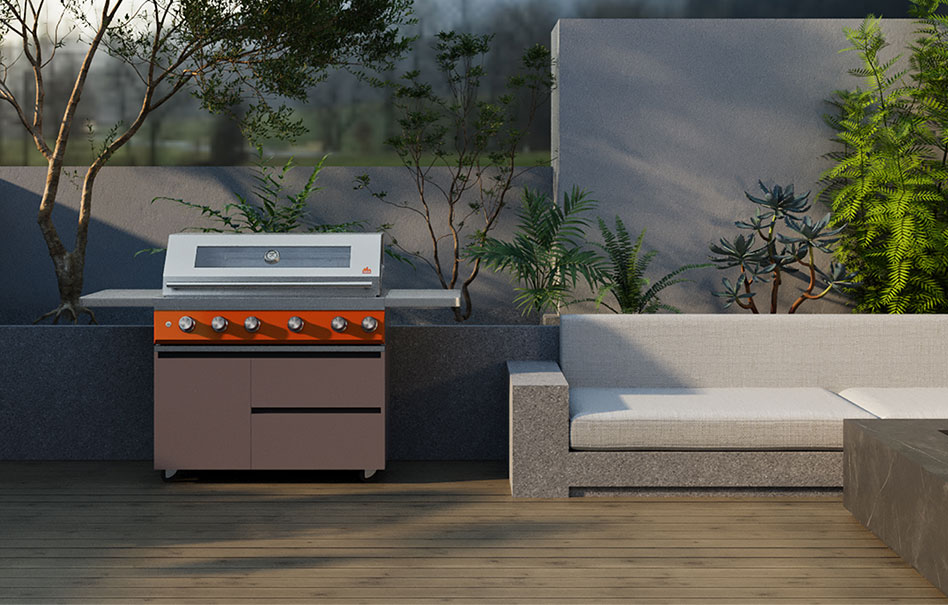
Is a Portable Barbecue Worth It? Pros, Costs & Better Alternatives
Content
- 1 The Direct Answer: Is a Portable Barbecue Worth It?
- 2 What "Portable Barbecue" Actually Means
- 3 The Case For a Portable Barbecue
- 4 The Case Against a Portable Barbecue for Regular Use
- 5 Portable Grill vs. Outdoor BBQ Cart: A Side-by-Side Comparison
- 6 Why an Outdoor BBQ Cart Is the Better Long-Term Investment for Home Grilling
- 7 What to Look for in a Stainless Steel Outdoor BBQ Cart
- 8 How to Decide Which Option Fits Your Lifestyle
- 9 Frequently Asked Questions
- 10 Ready to Upgrade Your Outdoor Cooking Setup?
The Direct Answer: Is a Portable Barbecue Worth It?
Yes, a portable barbecue is worth it if your priority is mobility — camping trips, tailgates, beach outings, or apartment balconies where a full-size setup simply will not fit. Most portable grills cost between $50 and $300, weigh under 30 pounds, and pack into a car trunk in minutes.
But if you cook at home regularly or host frequent gatherings, a fixed or semi-mobile setup such as an outdoor BBQ cart delivers far better long-term value, cooking space, and durability than a small portable unit.
What "Portable Barbecue" Actually Means
Portable barbecues are compact charcoal, gas, or electric grills built for easy transport rather than heavy-duty daily cooking. They typically feature a small cooking surface — often under 200 square inches — folding legs or a carry handle, and lightweight construction using thin-gauge steel or aluminum panels.
Common Portable Grill Types
Charcoal kettle-style portables are the cheapest and most widely used for camping, while portable propane grills offer faster startup and easier temperature control at a higher price point. Electric tabletop grills are the most restricted, since they require an outlet and are unsuitable for true off-grid use.
The Case For a Portable Barbecue
- Low upfront cost: Entry-level portable grills start around $50, far below the price of a full outdoor kitchen setup.
- True mobility: Most weigh 15–30 lbs and fold flat, fitting in a car trunk, RV storage bay, or closet.
- No installation required: No gas line hookup, no permanent footprint, no permitting concerns for renters.
- Good for infrequent use: If you grill fewer than 10 times a year, the low cost outweighs the limited capacity.
The Case Against a Portable Barbecue for Regular Use
The same traits that make portable grills convenient also create real limitations once cooking frequency increases:
- Limited cooking surface: Small grates struggle to cook for more than 2–4 people at once, forcing multiple batches.
- Thinner materials wear faster: Lightweight steel and painted finishes are more prone to rust and warping than heavy-gauge stainless steel.
- No integrated prep or storage space: Tools, plates, and ingredients need a separate table, which slows down the cooking process.
- Shorter usable lifespan: Many budget portables show significant corrosion or structural fatigue within 2–3 seasons of regular outdoor exposure.
Portable Grill vs. Outdoor BBQ Cart: A Side-by-Side Comparison
For anyone weighing convenience against long-term functionality, comparing a portable barbecue directly against a wheeled, stainless steel outdoor BBQ cart makes the trade-offs clear.
| Feature | Portable Barbecue | Outdoor BBQ Cart |
|---|---|---|
| Typical weight | 15–30 lbs | 60–120 lbs |
| Cooking/prep surface | Under 200 sq in | 700+ sq in with dedicated prep area |
| Material durability | Thin steel, painted finish | Heavy-gauge stainless steel |
| Storage capability | None or minimal | Shelves, drawers, hooks for tools and tanks |
| Mobility | Carry by hand, fold flat | Rolls on locking wheels within a fixed area |
| Best suited for | Camping, travel, small balconies | Patios, backyards, frequent home grilling |
The comparison shows a clear divide: portability favors the small grill, but cooking capacity, durability, and organization strongly favor a wheeled outdoor BBQ cart setup.
Why an Outdoor BBQ Cart Is the Better Long-Term Investment for Home Grilling
Once grilling becomes a regular household activity rather than an occasional trip accessory, the limitations of a portable unit start to outweigh its convenience. A well-built outdoor BBQ cart solves the three biggest frustrations of portable grilling in one piece of equipment: limited workspace, no storage, and short material lifespan.
Built for the Elements
A quality outdoor BBQ cart is constructed from heavy-gauge stainless steel rather than the thin, painted panels found on most budget portables. Stainless steel resists rust, staining, and warping under repeated exposure to rain, humidity, and UV, which means the cart holds its structural integrity for years rather than seasons.
Organized Prep and Storage in One Unit
Unlike a stand-alone portable grill, a rolling BBQ cart typically integrates a stainless prep surface, lower shelving, tool hooks, and sometimes a propane tank compartment — everything needed for a cooking session stays within arm's reach, without hauling a separate folding table outside every time.
What to Look for in a Stainless Steel Outdoor BBQ Cart
- Gauge and grade of stainless steel: Thicker, marine or food-grade stainless resists corrosion far better than lightweight coated steel.
- Wheel quality: Locking casters allow the cart to be positioned firmly for cooking, then rolled aside afterward.
- Weight capacity: Confirm the shelf and worktop rating can support your grill, ingredients, and accessories combined.
- Weld quality and seams: Smooth, consistent welds indicate better manufacturing control and reduce future rust points at joints.
- Modularity: Some outdoor BBQ carts are designed to integrate with broader outdoor kitchen or BBQ pod systems, useful if you plan to expand your setup later.
Manufacturers with decades of stainless steel fabrication experience — such as Ningbo AFA Kitchen and Bath Co., Ltd., which has produced stainless steel outdoor and kitchen equipment since 1993 — typically apply the same craftsmanship standards used in commercial kitchen products to their outdoor BBQ cart line, resulting in a sturdier, longer-lasting structure than typical consumer-grade portable grills.
How to Decide Which Option Fits Your Lifestyle
The right choice comes down to how and where you actually cook, not which product looks more impressive on paper.
- Choose a portable barbecue if you camp frequently, travel often, or live somewhere with no fixed outdoor space.
- Choose an outdoor BBQ cart if you have a patio, backyard, or deck and cook outdoors more than once a week.
- Choose a cart if you regularly host guests and need extra prep space and storage during cooking.
- Consider owning both — a portable grill for trips, and a stainless BBQ cart as the permanent home base — if budget allows.
Frequently Asked Questions
Do portable barbecues last as long as a full-size grill setup?
Generally no. The lightweight materials used to keep portable grills easy to carry are also more susceptible to rust and structural fatigue, so most budget models have a shorter usable lifespan than heavier stainless steel equipment such as a fixed grill or outdoor BBQ cart.
Can an outdoor BBQ cart still be moved around the yard?
Yes. Most outdoor BBQ carts are equipped with locking caster wheels, allowing them to be rolled to different spots on a patio or deck and locked in place during use, offering flexible positioning without the full portability of a hand-carried grill.
Is stainless steel worth the extra cost over painted steel?
In most outdoor environments, yes. Stainless steel resists rust, staining, and heat discoloration far better than painted or coated steel, which typically chips and corrodes faster once exposed to repeated moisture and grease — making it a better long-term investment for anything left outdoors year-round.
Ready to Upgrade Your Outdoor Cooking Setup?
Whether you are choosing your first grill or replacing a worn-out portable model, a durable stainless steel outdoor BBQ cart can make every cookout easier. If you're interested in learning more about our outdoor BBQ cart options, feel free to contact us — we would be happy to help./optional/
Copyright © 2025 Ningbo AFA Kitchen and Bath Co.,Ltd. All Rights Reserved. Custom Modular Outdoor Kitchen Manufacturer Outdoor Barbecue (BBQ) Kitchen Factory Privacy Policy
