 English
 Español
 Deutsch
 Português
 italiano
 Français
 عربى
عربى
Outdoor Kitchen BBQ Grill Supplier
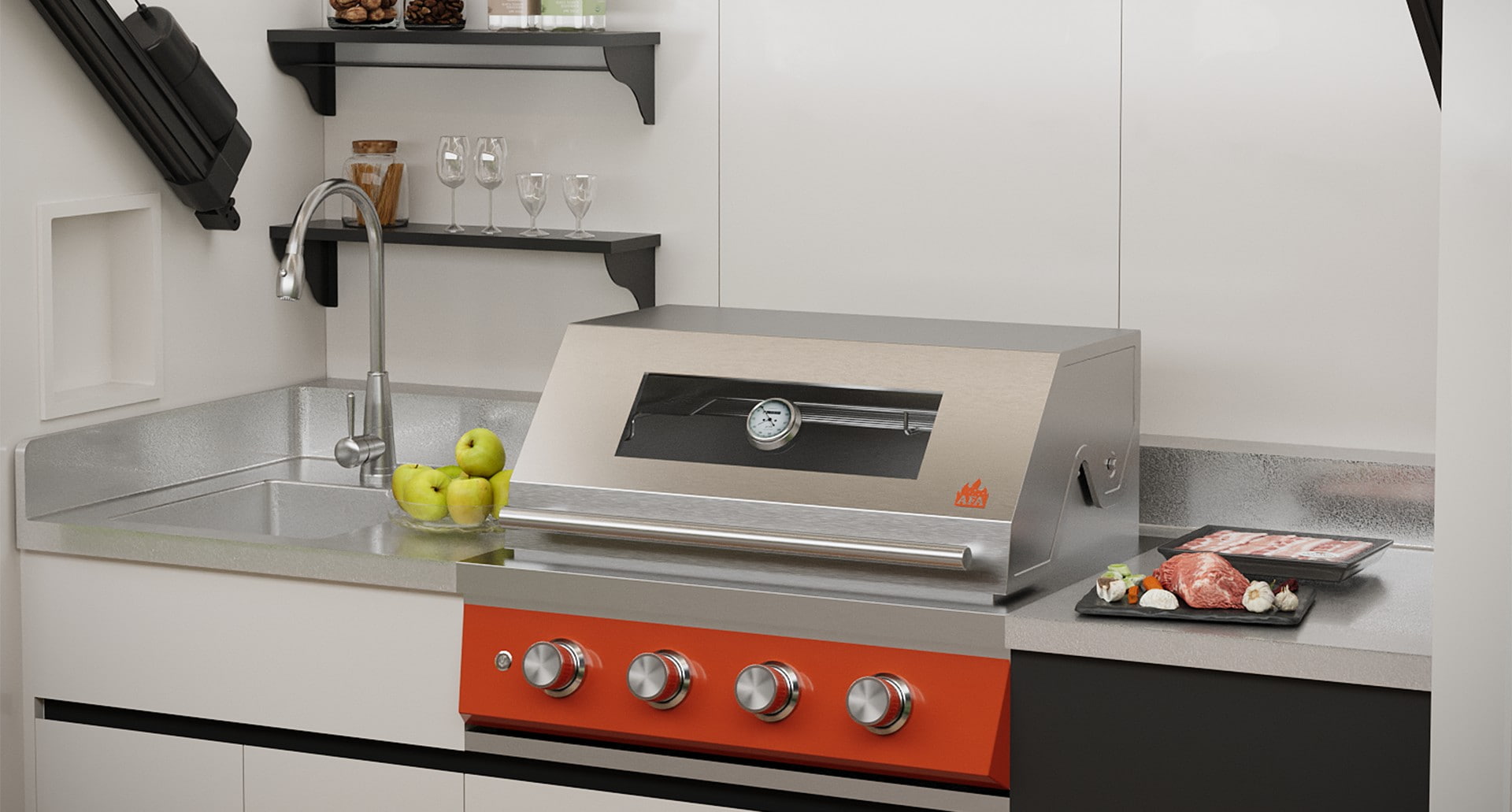
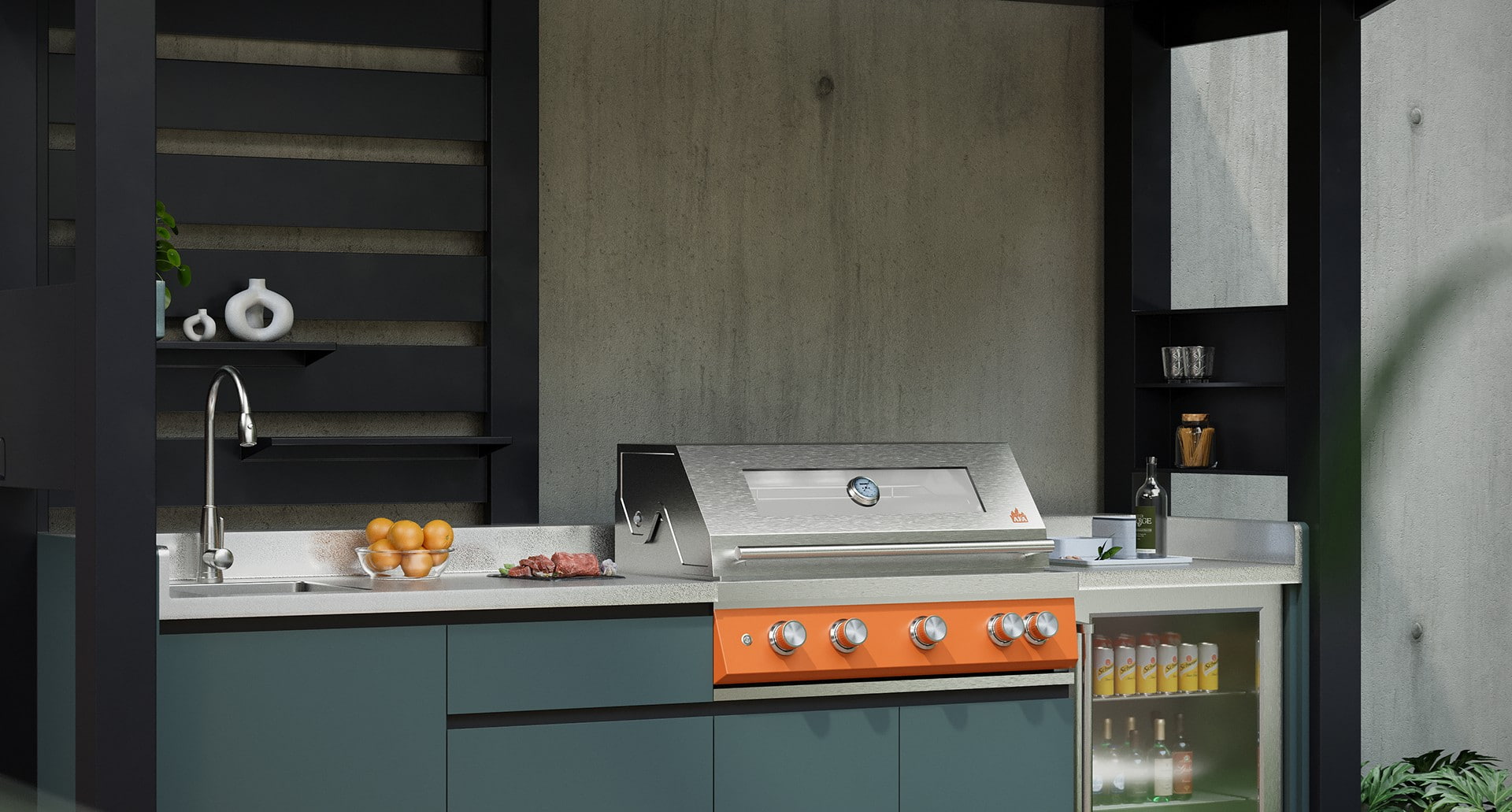
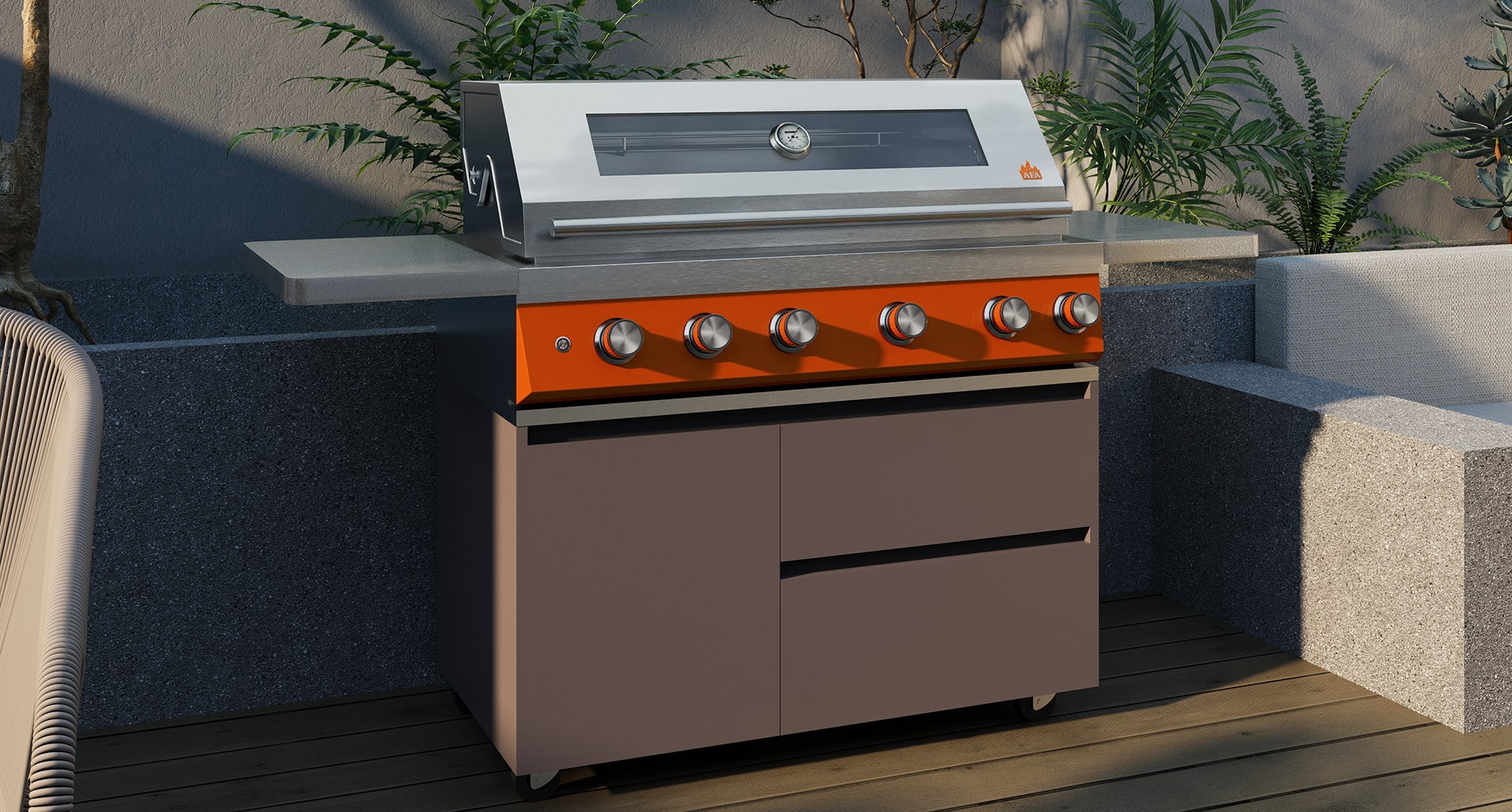
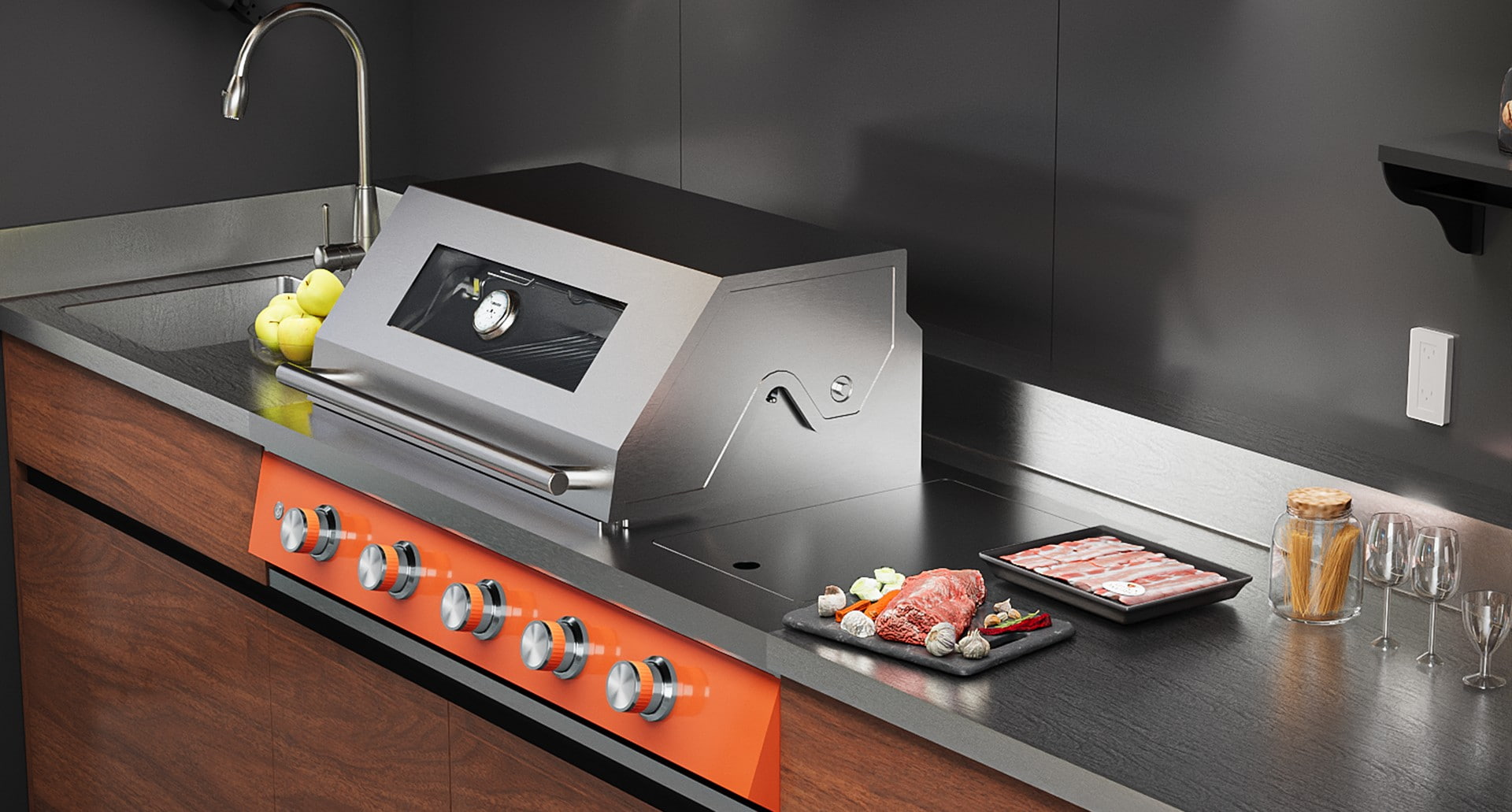
Our Built-in BBQ Grill features a double-layer structure, which better seals heat during grilling and eliminates sharp edges during cleaning, protecting user hands. Ergonomically designed with a 15-degree angled knob panel for easier and more comfortable turning. The diamond-shaped bevel adds a three-dimensional effect, and multiple colors are available for customization. The handle and knobs are made entirely of 304 stainless steel, with a finely crafted grip for better heat dissipation and to prevent burns. With craftsmanship, we've perfected every detail; the Built-in BBQ Grill has no exposed screws, and every corner is hand-rounded. We believe users will appreciate the high quality and excellent value of our product after comparing it with other options.
Since its founding in 1993, Ningbo AFA Kitchen and Bath Co.,Ltd. has been a China Custom Outdoor Kitchen BBQ Grill Supplier and Stainless Steel BBQ Grill Factory, upheld a clear vision — to redefine excellence in stainless steel craftsmanship.
For over three decades, we have led innovation in the industry with three advanced production bases covering 45,000 square meters, combining strong R&D capability with cutting-edge manufacturing technology to deliver products that set new benchmarks in quality and design.
Today, AFA proudly serves clients across the United States, Europe, Australia, Russia, the Middle East, Japan, South Korea, and Mexico.
Our diverse product portfolio is created to elevate the modern living experience. From outdoor intelligent BBQ pods, multifunctional tool cabinets, and outdoor kitchens to indoor stainless steel systems for kitchens, laundry rooms, and bathrooms — every product embodies refined design, durability, and elegance, tailored to complement a sophisticated lifestyle.
Named after the founder’s father, AFA represents more than a brand — it is a legacy of quality, innovation, and sustainability. We are dedicated to bringing timeless value and distinctive style to every space, ensuring our creations not only meet but surpass the expectations of discerning customers around the world.

Every step has witnessed our development
What Makes a BBQ Grill the Centerpiece of Any Outdoor Kitchen
A BBQ grill is the functional heart of any outdoor cooking setup. Whether it anchors a full outdoor kitchen BBQ grill station or serves as a standalone outdoor BBQ grill on a patio, the grill determines cooking capacity, fuel efficiency, and the overall quality of results. With the outdoor cooking equipment market surpassing $5 billion globally in 2024, buyers have more options than ever — making it essential to understand what separates a high-performance outdoor kitchen grill from a generic entry-level unit.
Stainless steel BBQ grills have emerged as the dominant choice for permanent outdoor installations. Their resistance to corrosion, heat distortion, and surface degradation makes them far better suited to year-round outdoor exposure than painted cast-iron or enameled alternatives.
Core Advantages of a Stainless Steel BBQ Grill
- Corrosion resistance: A grade 304 stainless steel BBQ grill withstands humidity, rain, and coastal salt air without rusting — critical for outdoor grills exposed to the elements year-round.
- High heat performance: Premium outdoor kitchen grills deliver 50,000 to 90,000 BTU of total burner output, enabling professional-grade searing temperatures above 300°C while maintaining precise zone control for indirect cooking.
- Built-in integration: A kitchen grill designed for drop-in installation aligns flush with outdoor kitchen cabinetry, creating a seamless countertop surface and a far cleaner aesthetic than freestanding units.
- Longevity: A well-constructed stainless steel outdoor grill is engineered to deliver reliable performance for 15 to 25 years, making it a sound long-term investment compared to lower-grade alternatives that typically need replacing within five years.
- Hygienic cooking surfaces: Stainless grill grates are non-porous, resist bacterial buildup, and clean easily — an important advantage in any food preparation environment.
How an Outdoor Kitchen BBQ Grill Works
Burner System
The burner system is the engine of any barbecue grill. Gas burners — typically H-shaped or straight-pipe stainless steel — ignite via an electronic ignition system and distribute heat across the cooking surface. Multi-burner configurations allow independent zone control: one side can run at high sear heat while the other maintains a lower temperature for slower cooking. Most quality outdoor BBQ grills feature three to six independently controlled burners.
Heat Distribution and Retention
Flame tamers or heat diffusers sit above the burners to vaporize dripping fats, producing the characteristic smoke that flavors food on a barbecue grill. Cast stainless or porcelain-coated grates retain and radiate heat evenly across the cooking surface, reducing cold spots and enabling consistent sear marks. A well-insulated hood traps heat for indirect cooking and roasting, effectively turning the outdoor grill into a convection oven.
Integrated Ignition and Safety
Modern outdoor kitchen BBQ grills use piezoelectric or battery-powered electronic ignition systems that light each burner independently. Gas flow is regulated at the valve, and most units include a safety shut-off if the flame extinguishes. AFA Kitchen and Bath — founded in 1993 and operating across 45,000 square meters of advanced production facilities — integrates precision ignition engineering and rigorous safety testing into every outdoor grill product line, supplying clients across the United States, Europe, Australia, and beyond.
Comparing Outdoor Grill Types and Specifications
| Grill Type | Burner Output | Installation | Best For |
|---|---|---|---|
| Freestanding Outdoor BBQ Grill | 30,000 – 50,000 BTU | Portable, no fixed install | Flexible spaces, renters |
| Built-In Outdoor Kitchen Grill | 50,000 – 75,000 BTU | Drop-in to cabinet cutout | Permanent outdoor kitchens |
| Commercial Barbecue Grill | 75,000 – 90,000+ BTU | Built-in or heavy-duty frame | Hospitality, large events |
Selecting the Right Outdoor BBQ Grill for Your Space
Choosing an outdoor BBQ grill that matches your cooking habits and space constraints avoids costly upgrades later. Consider these practical criteria:
- Determine your primary cooking style — high-heat searing, slow roasting, or a mix — since this dictates the burner count and BTU rating you need from a kitchen grill.
- Measure your available cutout or countertop space carefully before specifying a built-in outdoor kitchen BBQ grill; standard drop-in widths range from 600 mm to 1,200 mm.
- Verify fuel type compatibility — natural gas grills require a permanent gas line, while LPG models offer placement flexibility but involve cylinder management.
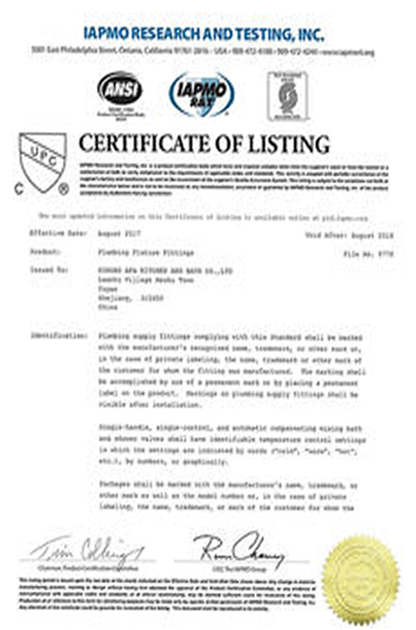
- Check that the stainless steel BBQ grill carries relevant safety certifications (CE, UL, or equivalent) for your market before purchase.
- Allow a minimum 900 mm clearance above the grill surface to any overhead structure — pergola beams, patio covers, or awnings — to ensure safe heat and smoke dispersal.
Frequently Asked Questions
Q1: What is the difference between a built-in outdoor kitchen grill and a freestanding BBQ grill?
A built-in outdoor kitchen grill is designed to drop into a cutout within an outdoor kitchen cabinet run, sitting flush with the surrounding worktop. A freestanding BBQ grill is a self-contained unit on legs or a cart that can be repositioned freely. Built-in grills offer a cleaner integrated appearance, more surrounding prep space, and typically higher output — but require a permanent installation. Freestanding outdoor BBQ grills suit renters or those who prefer flexibility over permanence.
Q2: How often should I clean a stainless steel BBQ grill?
Grill grates should be brushed clean while still warm after every use to prevent grease carbonization. Burner tubes and flame tamers should be inspected and cleared of blockages every three to six months. The exterior stainless steel surfaces of the barbecue grill should be wiped with a damp cloth and stainless conditioner monthly, always following the grain direction. A full deep clean of burner components, ignition electrodes, and drip trays is recommended at least once per season.
Q3: Can an outdoor BBQ grill be used under a covered patio or pergola?
Yes, provided adequate clearance and ventilation are maintained. The minimum recommended clearance from the top of the outdoor grill to any overhead structure is 900 mm, with open sides on at least two aspects to allow smoke and heat to dissipate. Never operate a gas barbecue grill in a fully enclosed space. If the covered area is partially enclosed, installing a range hood rated for outdoor use significantly improves safety and comfort.
Q4: How do I prevent rust on a stainless steel outdoor grill?
Genuine grade 304 or 316 stainless steel outdoor grills are inherently rust-resistant under normal outdoor conditions. Surface discoloration that resembles rust is most often contamination from carbon steel particles — from wire brushes or nearby tools — embedded in the stainless surface. Remove these with a stainless-specific cleaner applied in the grain direction. Avoid steel wool, chlorine-based cleaners, and abrasive pads, which damage the passive oxide layer responsible for the material's corrosion resistance.
Copyright © 2025 Ningbo AFA Kitchen and Bath Co.,Ltd. All Rights Reserved. Custom Outdoor Kitchen BBQ Grill Supplier Stainless Steel BBQ Grill Factory
