 English
 Español
 Deutsch
 Português
 italiano
 Français
 عربى
عربى
Search
News categories
Recommend News
News categories
Recommend News
 Jul 03, 2026 - By admin
Can Stainless Steel Rust? BBQ Pod Corrosion Guide & Fixes
Jul 03, 2026 - By admin
Can Stainless Steel Rust? BBQ Pod Corrosion Guide & Fixes
Content
- 1 Can Stainless Steel Rust? The Direct Answer
- 2 Why Stainless Steel Resists Rust in the First Place
- 3 Comparing Stainless Steel Grades for Outdoor BBQ Pods
- 4 What Actually Causes Stainless Steel to Rust
- 5 How This Applies to a Stainless Steel BBQ Pod Specifically
- 6 Preventing Rust on Your Outdoor BBQ Pod: Maintenance Checklist
- 7 Surface Rust vs. Structural Rust: How to Tell the Difference
- 8 Choosing a Rust-Resistant BBQ Pod from the Right Manufacturer
- 9 Frequently Asked Questions
Can Stainless Steel Rust? The Direct Answer
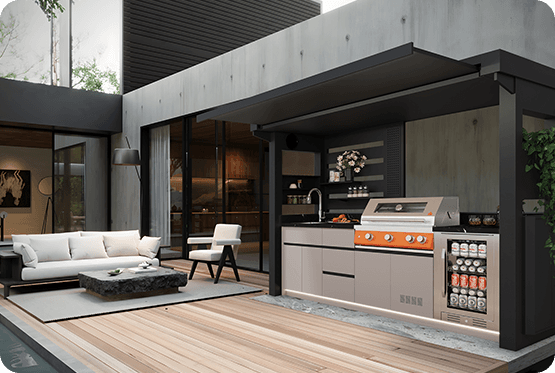
Yes, stainless steel can rust, but only under specific conditions — and for a well-made Stainless Steel BBQ Pod, those conditions are rare and easy to avoid. Stainless steel does not rust the way ordinary carbon steel does because it contains chromium, which forms a thin, invisible, self-repairing oxide layer on the surface. This layer blocks oxygen and moisture from reaching the iron underneath, which is the actual source of rust. When that protective layer is damaged, contaminated, or overwhelmed by harsh environmental exposure, localized corrosion can appear. Understanding why this happens — and how to prevent it — is the key to keeping an outdoor BBQ kitchen pod looking and performing like new for decades.
Why Stainless Steel Resists Rust in the First Place
The corrosion resistance of stainless steel comes down to its chromium content. Standard grades used in outdoor kitchen equipment contain a minimum of roughly 10.5% chromium, and most premium garden BBQ pods use 18% chromium alloys. When chromium is exposed to oxygen, it instantly forms chromium oxide, a microscopically thin passive layer that bonds to the metal surface. This layer is what makes stainless steel different from painted or galvanized steel — instead of a coating that wears off, it is a chemical property of the alloy itself.
If the surface is scratched, sanded, or cut, this oxide layer reforms automatically as long as oxygen is present. This self-healing behavior is why a properly maintained kitchen pod made from marine-grade stainless steel can remain rust-free through years of sun, rain, and temperature swings without any coating or paint.
Comparing Stainless Steel Grades for Outdoor BBQ Pods
Not all stainless steel performs equally outdoors. The grade selected for a Stainless Steel BBQ Pod directly determines how well it resists rust, pitting, and salt exposure. The table below outlines the most common grades used in outdoor cooking equipment.
| Grade | Chromium / Nickel Content | Rust Resistance | Best Use Case |
|---|---|---|---|
| 430 | ~16% Cr, no nickel | Moderate | Indoor trim, low-exposure parts |
| 304 | ~18% Cr, ~8% Ni | High | Full outdoor BBQ pod cabinetry and structure |
| 316 | ~16-18% Cr, ~10% Ni, Molybdenum added | Very High | Coastal, poolside, high-salinity environments |
Comparison of common stainless steel grades used in outdoor kitchen manufacturing
A reputable BBQ pod manufacturer will specify 304 stainless steel as the baseline for structural panels and cabinetry, since it offers the best balance of strength, cost, and long-term corrosion resistance for most residential settings.
What Actually Causes Stainless Steel to Rust
Rust on stainless steel is almost always a sign that the passive chromium oxide layer has been disrupted or overwhelmed. Common triggers include:
- Chloride exposure: Salt air, pool chemicals, or de-icing salts can penetrate the passive layer, especially in coastal regions.
- Carbon steel contamination: Tiny particles from steel wool, wire brushes, or nearby carbon steel tools can embed in the surface and rust, giving the false appearance that the stainless steel itself is corroding.
- Prolonged moisture without airflow: Standing water trapped under covers or debris blocks oxygen from reaching the surface, preventing the passive layer from regenerating.
- Abrasive or chlorine-based cleaners: These chemically strip the oxide layer faster than it can rebuild.
- Welding or cutting without passivation: Poorly finished welds on lower-quality BBQ pods can leave heat-affected zones vulnerable to corrosion.
How This Applies to a Stainless Steel BBQ Pod Specifically
Coastal and High-Humidity Installations
An outdoor BBQ kitchen pod installed near the ocean faces the highest rust risk due to airborne salt particles. This is why many manufacturers, including factories producing customized BBQ pods for coastal markets, offer 316-grade upgrades or additional surface treatments for these projects.
Standard Garden and Patio Settings
For most inland gardens and patios, 304 stainless steel provides ample protection. A properly fabricated garden BBQ pod with continuous welded seams, ground-mounted anchoring, and sealed utility entries will resist rust through decades of normal seasonal weather.
Ground-Mounted Wind Resistance and Sealing
Structural design also affects rust risk. A BBQ pod with ground-mounted corner supports and a properly sealed hatch prevents water pooling inside the enclosure — a common overlooked cause of hidden corrosion in poorly engineered units.
Preventing Rust on Your Outdoor BBQ Pod: Maintenance Checklist
- Wipe down exterior panels after each use, always following the direction of the steel grain.
- Clean grill grates and cooking surfaces while still warm to prevent grease buildup from trapping moisture.
- Use only non-abrasive, non-chlorine cleaners designed for stainless steel.
- Rinse surfaces with fresh water after exposure to salt spray, pool splash, or de-icing chemicals.
- Inspect gas connections, hinges, and seams annually for wear or moisture pooling.
- Apply a food-safe stainless steel conditioner twice a year to reinforce the passive layer.
- Avoid placing carbon steel tools or wire brushes directly against the stainless surface.
Surface Rust vs. Structural Rust: How to Tell the Difference
| Type | Appearance | Cause | Fix |
|---|---|---|---|
| Tea staining / surface rust | Light brown discoloration | Airborne contamination or embedded particles | Clean with stainless-safe polish, restore passive layer |
| Pitting corrosion | Small dark pinholes | Prolonged chloride exposure | Professional treatment; may require panel replacement if deep |
| Weld-line rust | Discoloration along seams | Improper post-weld passivation | Indicates manufacturing quality issue; check warranty coverage |
Identifying the type of corrosion helps determine whether a fix is cosmetic or structural
Choosing a Rust-Resistant BBQ Pod from the Right Manufacturer
The single biggest factor in long-term rust resistance is not maintenance — it is manufacturing quality. A BBQ pod factory that uses certified 304 stainless steel, continuous seam welding, and proper post-fabrication passivation will produce a unit that resists corrosion far longer than one assembled from mixed-grade or uncertified materials. Since 1993, Ningbo AFA Kitchen and Bath Co., Ltd. has specialized in stainless steel fabrication for outdoor living products, operating advanced production facilities that combine CNC cutting, automated welding, and dedicated surface finishing lines. This level of process control is what allows a Stainless Steel BBQ Pod to maintain its finish through years of sun, rain, and coastal air with only routine home care.
When evaluating suppliers, ask directly about steel grade certification, weld inspection procedures, and whether ground-mounted anchoring and sealed utility entries are standard — these details matter as much as the visible finish.
Frequently Asked Questions
Does a small rust spot mean the whole BBQ Pod is compromised?
Not usually. Light surface staining is common and treatable with proper cleaning. Deep pitting or corrosion around structural seams is a more serious sign and should be inspected by a professional.
Is 304 stainless steel good enough for coastal installations?
304 performs well in most climates, but for properties directly on the coastline, 316-grade stainless steel or additional protective coatings are recommended due to higher chloride exposure.
Can rust on a stainless steel BBQ Pod be removed at home?
Light surface rust can often be removed with a dedicated stainless steel cleaner and a soft cloth, following the grain direction. Avoid steel wool or chlorine-based products, which can worsen the problem.
If you are interested in our products, please contact us./optional/
Copyright © 2025 Ningbo AFA Kitchen and Bath Co.,Ltd. All Rights Reserved. Custom Modular Outdoor Kitchen Manufacturer Outdoor Barbecue (BBQ) Kitchen Factory Privacy Policy
