 English
-
-
-
-
-
-
-
-
-
-
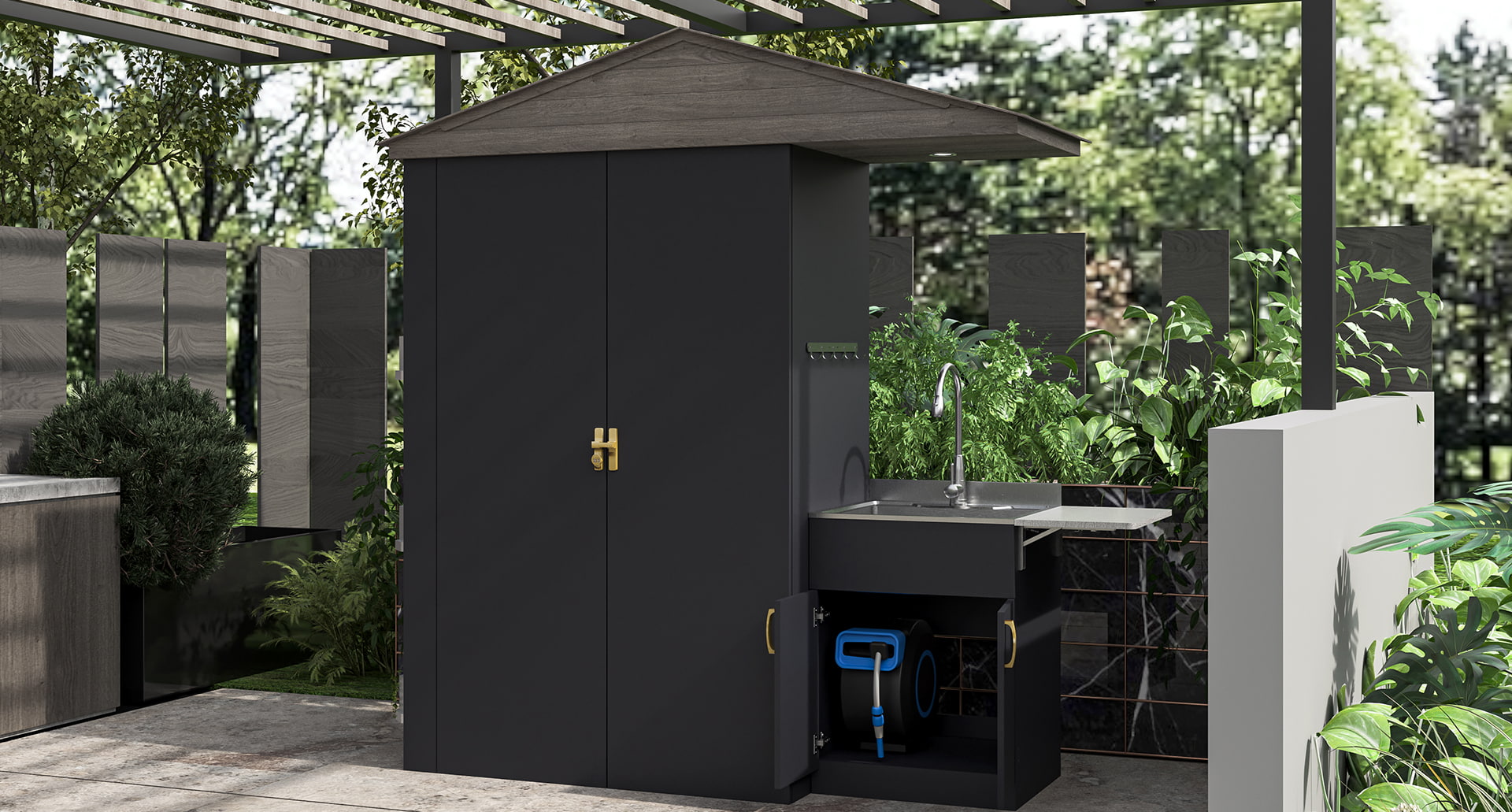 Outdoor Multi-function Tool Cabinets G-TC2 Double-door Outdoor Multi-function Tool Cabinets View Product
 -
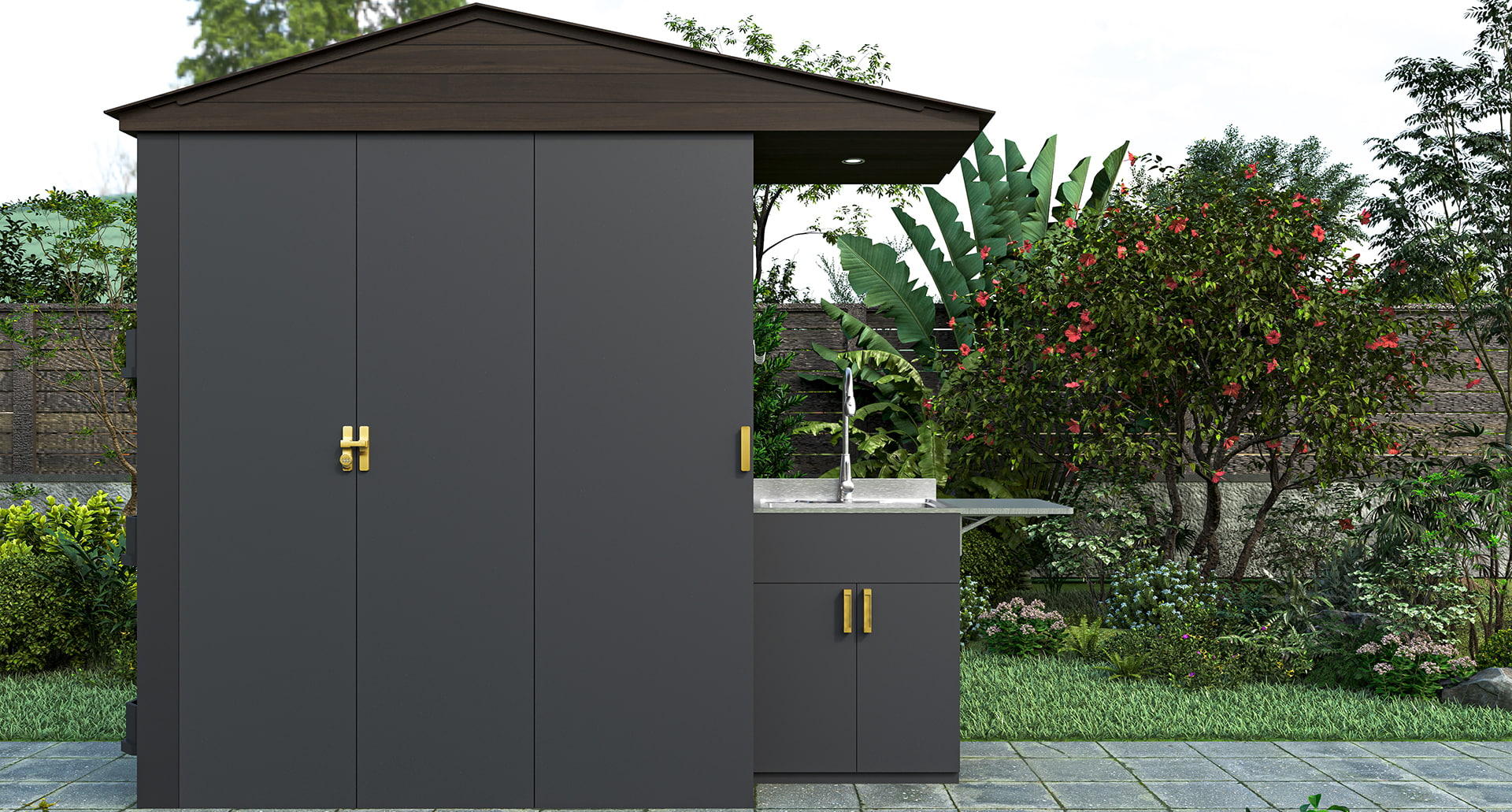 Outdoor Multi-function Tool Cabinets G-TC3 Large Three-door Outdoor Multi-function Tool Cabinets View Product
 -
-
-
-
-
-
-
Custom Outdoor Kitchen BBQ Units Supplier and Company
, upheld a clear vision — to redefine excellence in stainless steel craftsmanship.For over three decades, we have led innovation in the industry with three advanced production bases covering 45,000 square meters, combining strong R&D capability with cutting-edge manufacturing technology to deliver products that set new benchmarks in quality and design.
Today, AFA proudly serves clients across the United States, Europe, Australia, Russia, the Middle East, Japan, South Korea, and Mexico.
Our diverse product portfolio is created to elevate the modern living experience. From outdoor intelligent BBQ pods, multifunctional tool cabinets, and outdoor kitchens to indoor stainless steel systems for kitchens, laundry rooms, and bathrooms — every product embodies refined design, durability, and elegance, tailored to complement a sophisticated lifestyle.
Named after the founder’s father, AFA represents more than a brand — it is a legacy of quality, innovation, and sustainability. We are dedicated to bringing timeless value and distinctive style to every space, ensuring our creations not only meet but surpass the expectations of discerning customers around the world.

Every step has witnessed our development
Why Outdoor Kitchen BBQ Is Redefining Backyard Living
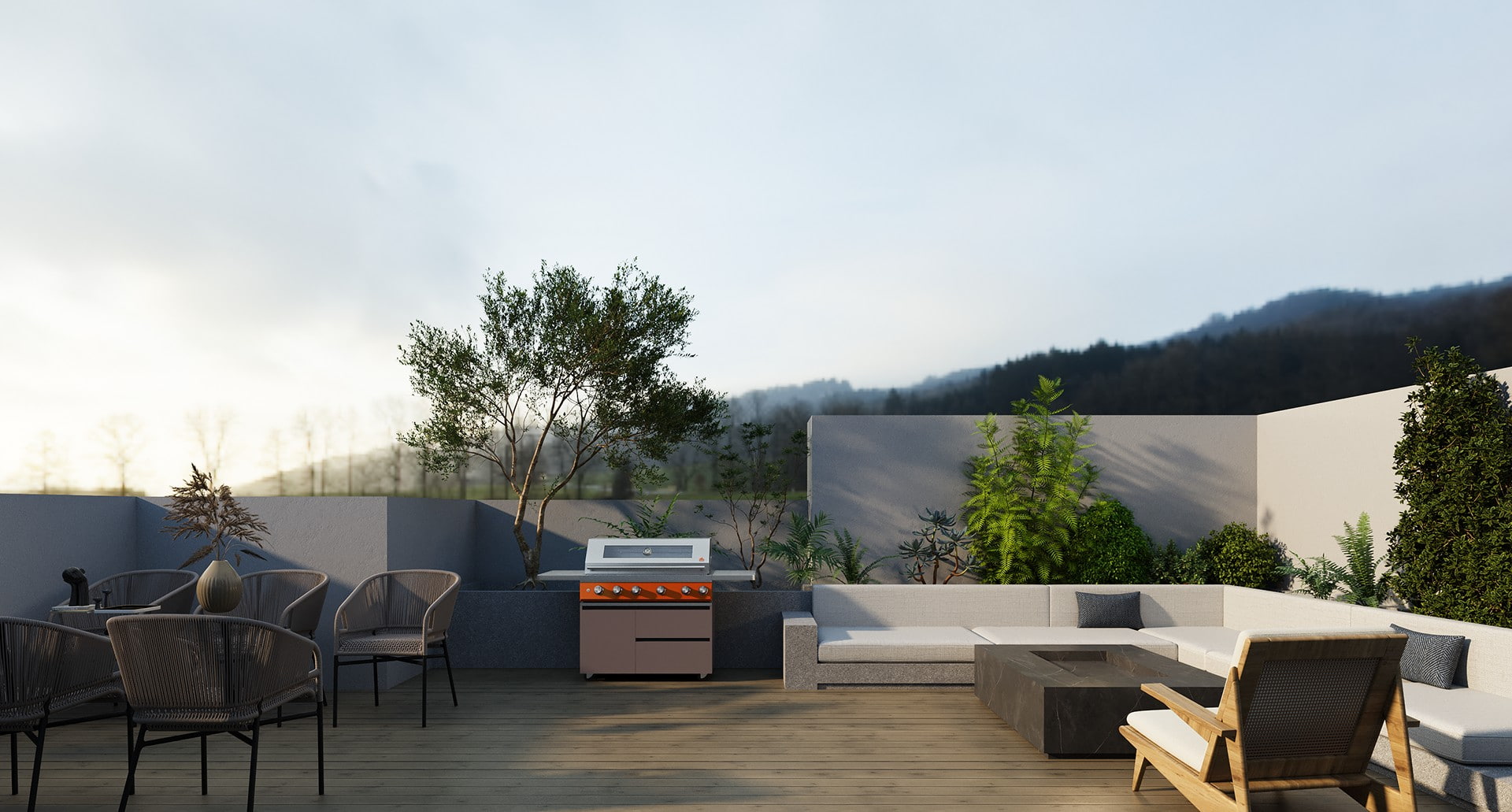
The outdoor kitchen BBQ has evolved far beyond a simple grill on a patio. Today's homeowners are investing in fully integrated cooking environments that combine professional-grade performance with weather-resistant durability. According to industry research, the global outdoor kitchen market exceeded $3.2 billion in 2023 and is projected to grow at a CAGR of over 6% through 2030 — a clear signal that alfresco cooking has become a mainstream lifestyle priority rather than a luxury niche.
At the heart of this shift is stainless steel construction. AFA Kitchen and Bath, founded in 1993 and operating across 45,000 square meters of advanced production facilities, has spent over three decades engineering outdoor kitchen BBQ systems that resist corrosion, endure extreme temperatures, and maintain their aesthetic appeal season after season. Their product line spans intelligent BBQ pods, modular cabinetry, and full outdoor kitchen units designed for both residential and commercial settings.
Core Advantages of Stainless Steel Outdoor Kitchen Units
Choosing the right outdoor kitchen units starts with understanding what materials and configurations best suit your climate and cooking habits. Stainless steel remains the benchmark for outdoor kitchens for several compelling reasons:
- Corrosion resistance: Grade 304 stainless steel withstands humidity, salt air, and rain without rusting — critical for coastal installations or regions with heavy rainfall.
- Heat tolerance: Stainless surfaces handle direct radiant heat from BBQ grills without warping or discoloration, even at sustained temperatures above 300°C.
- Low maintenance: Unlike painted or powder-coated finishes, brushed stainless requires only occasional wiping and does not need annual resealing or repainting.
- Hygienic surfaces: Non-porous stainless steel does not harbor bacteria or absorb food odors, making it the material of choice in professional food-service environments worldwide.
- Design longevity: A well-built outdoor kitchen unit in stainless steel can serve reliably for 15 to 25 years, offering a far better return on investment than timber or painted MDF alternatives.
How a Complete Outdoor Kitchen BBQ System Works
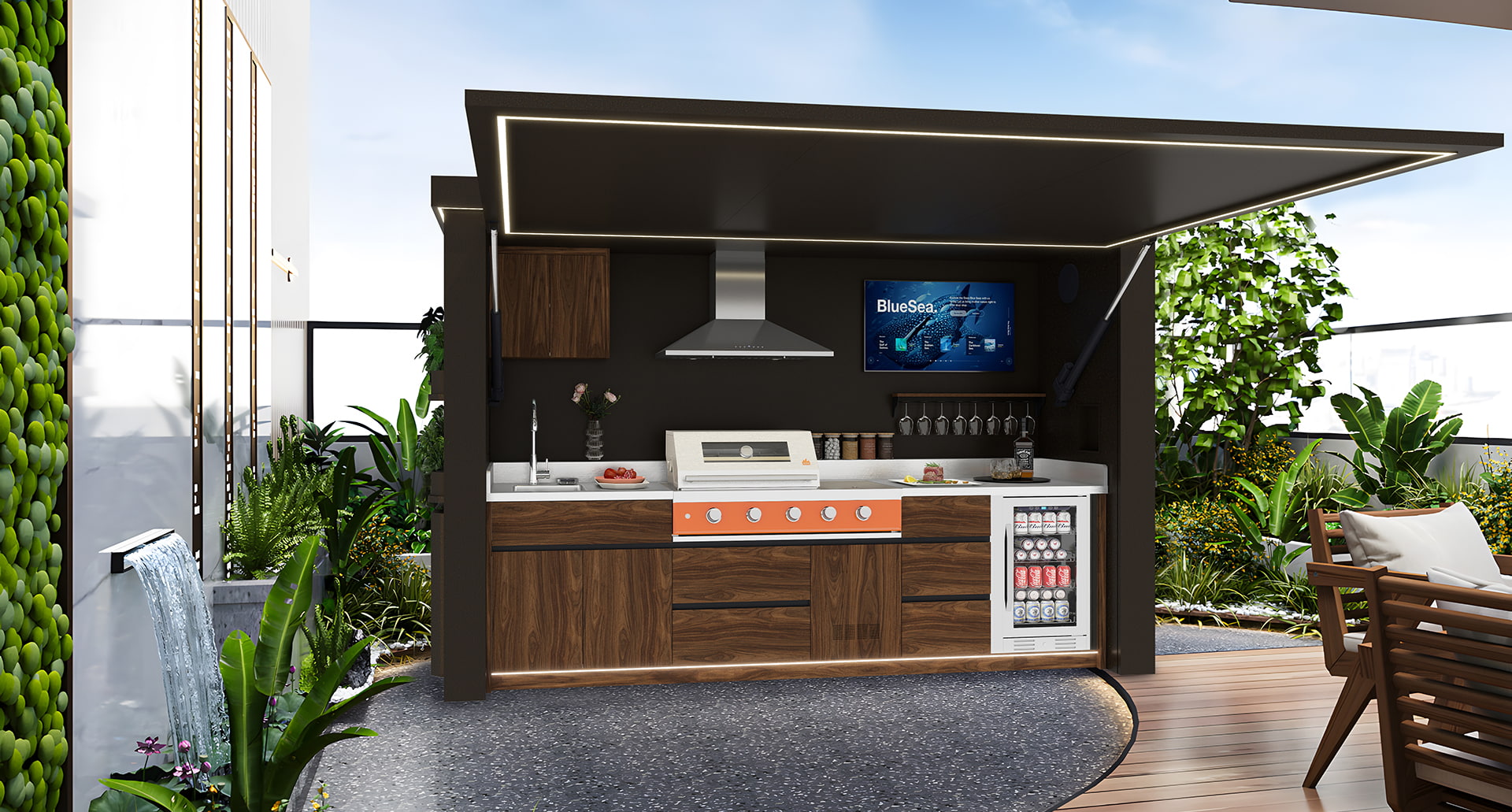
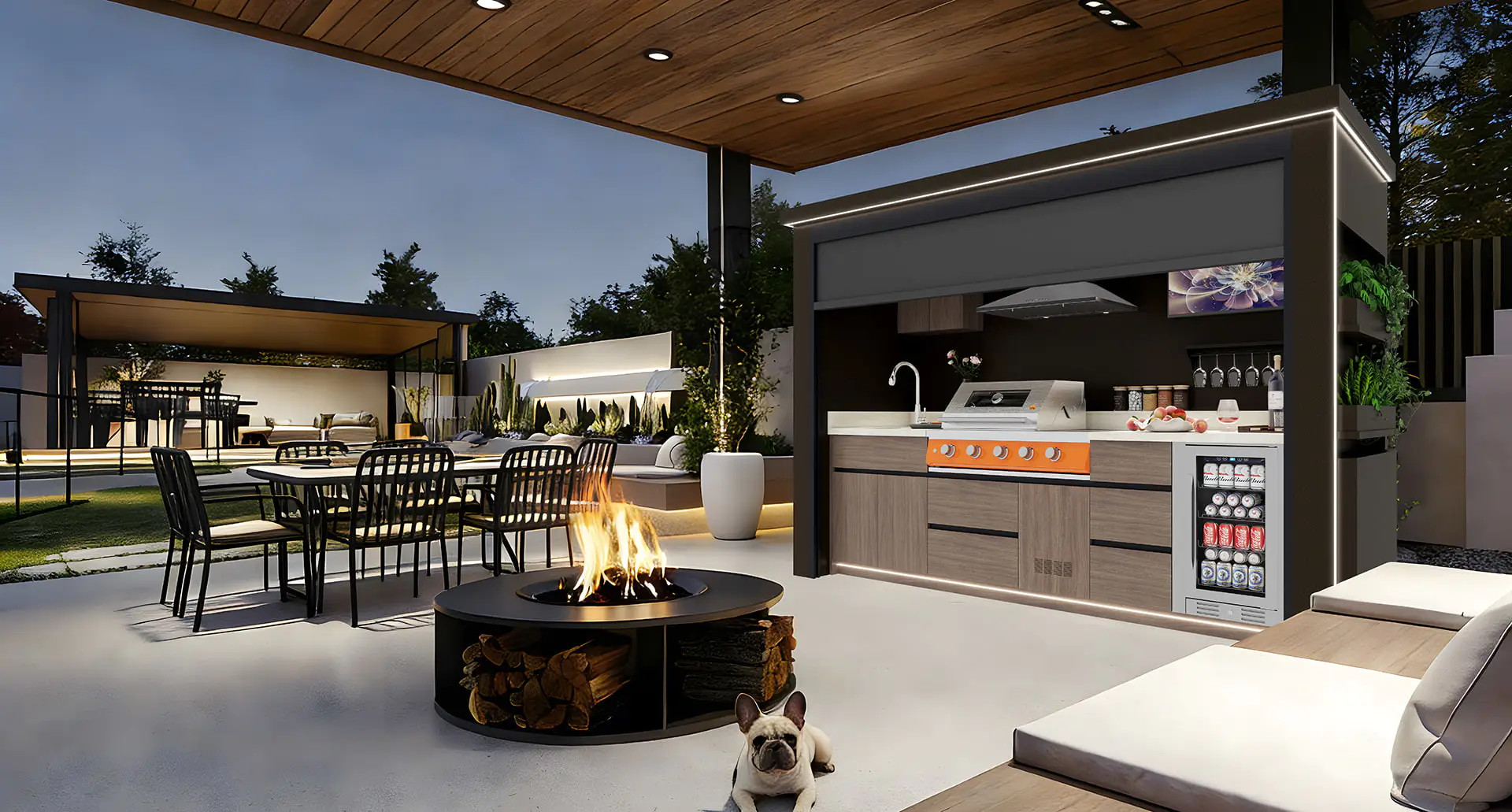
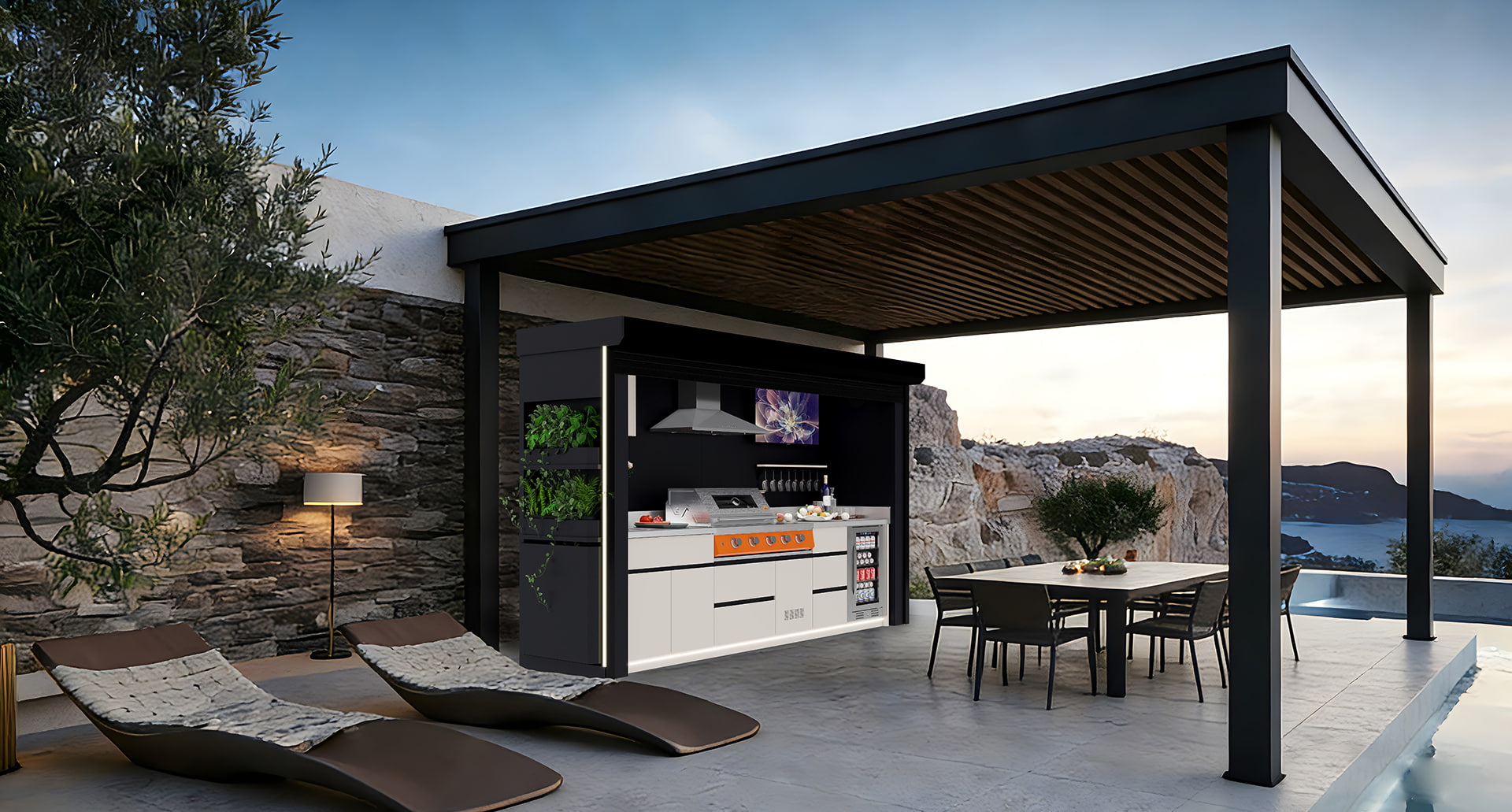
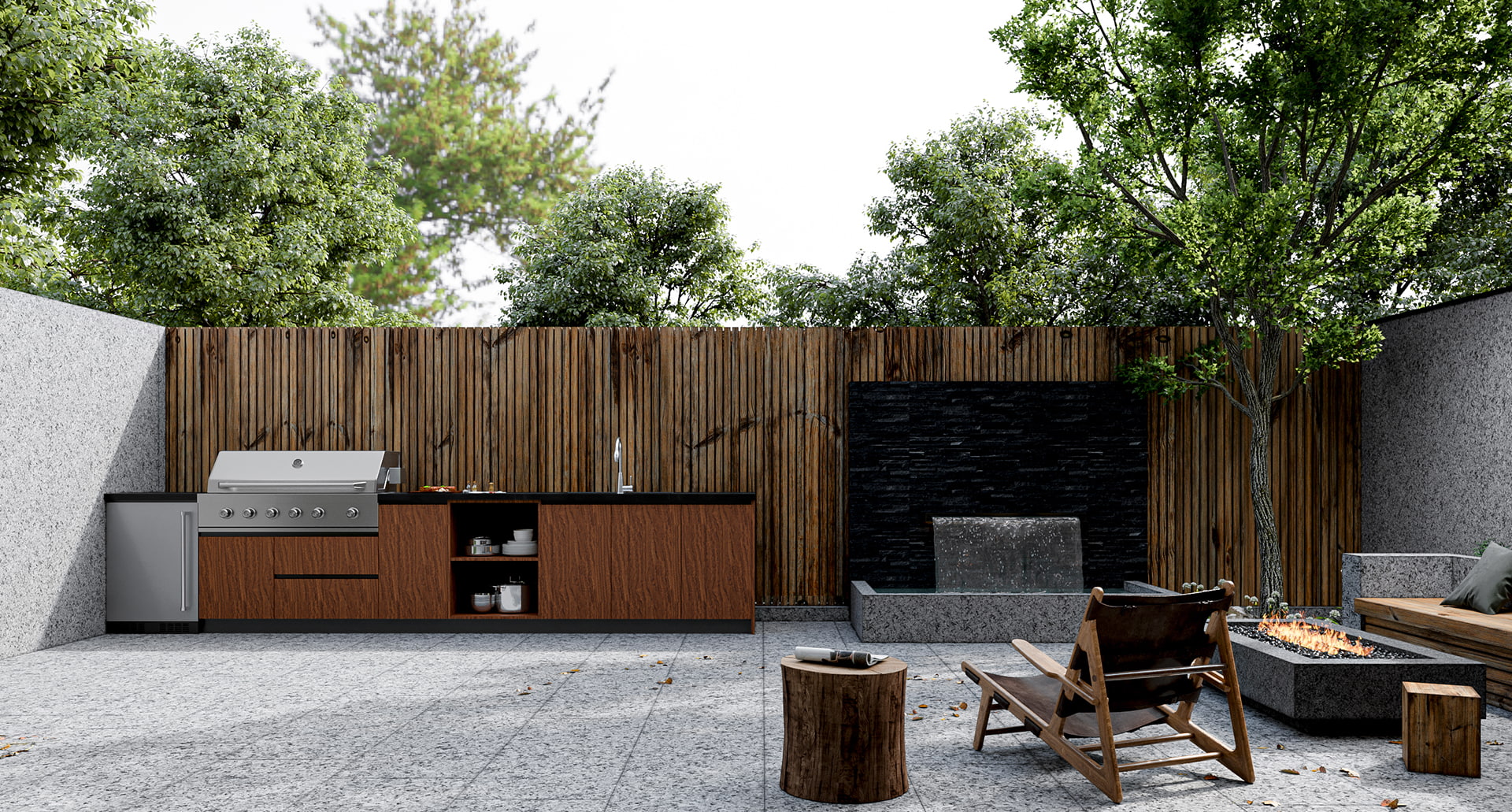
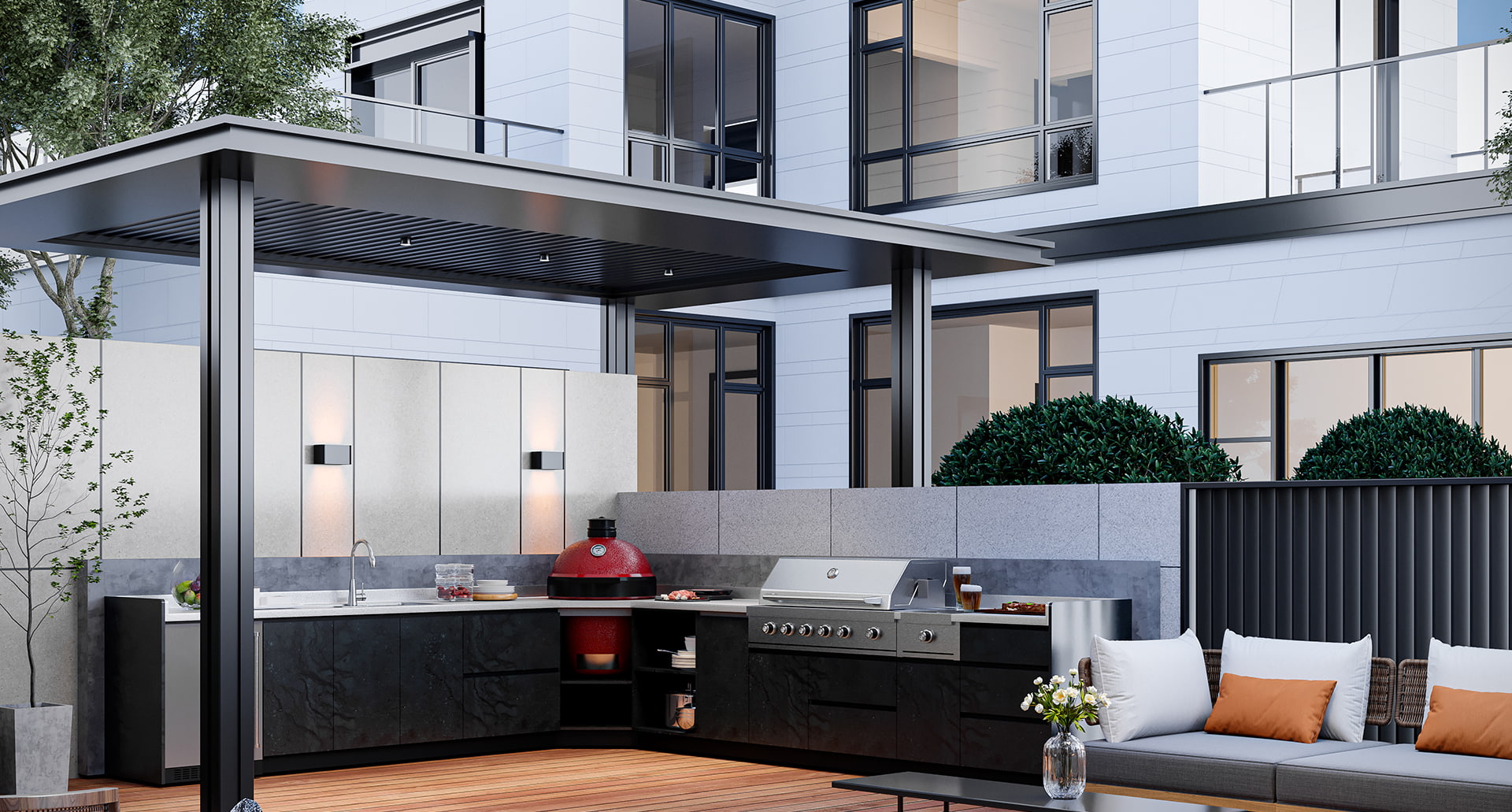
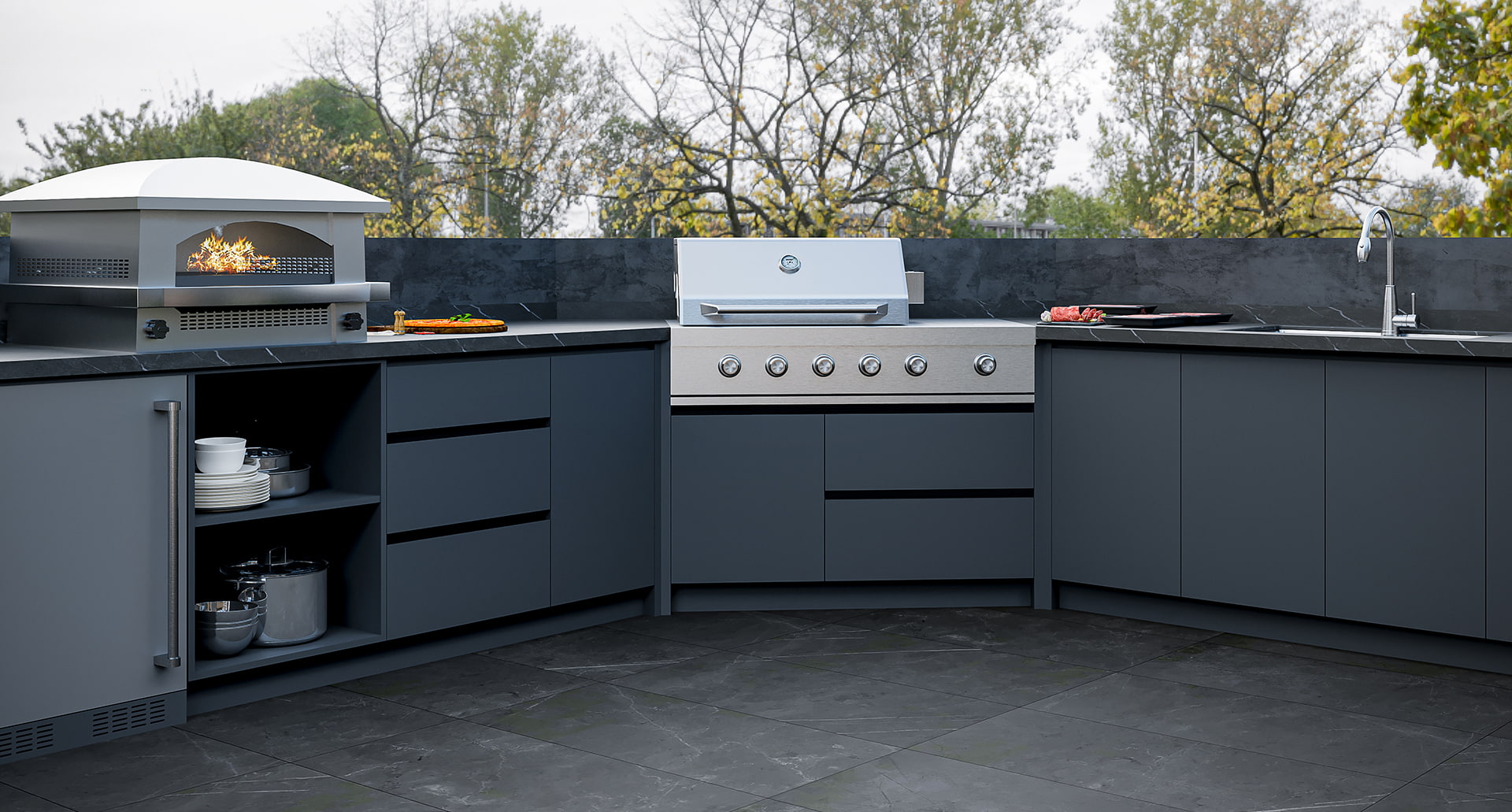
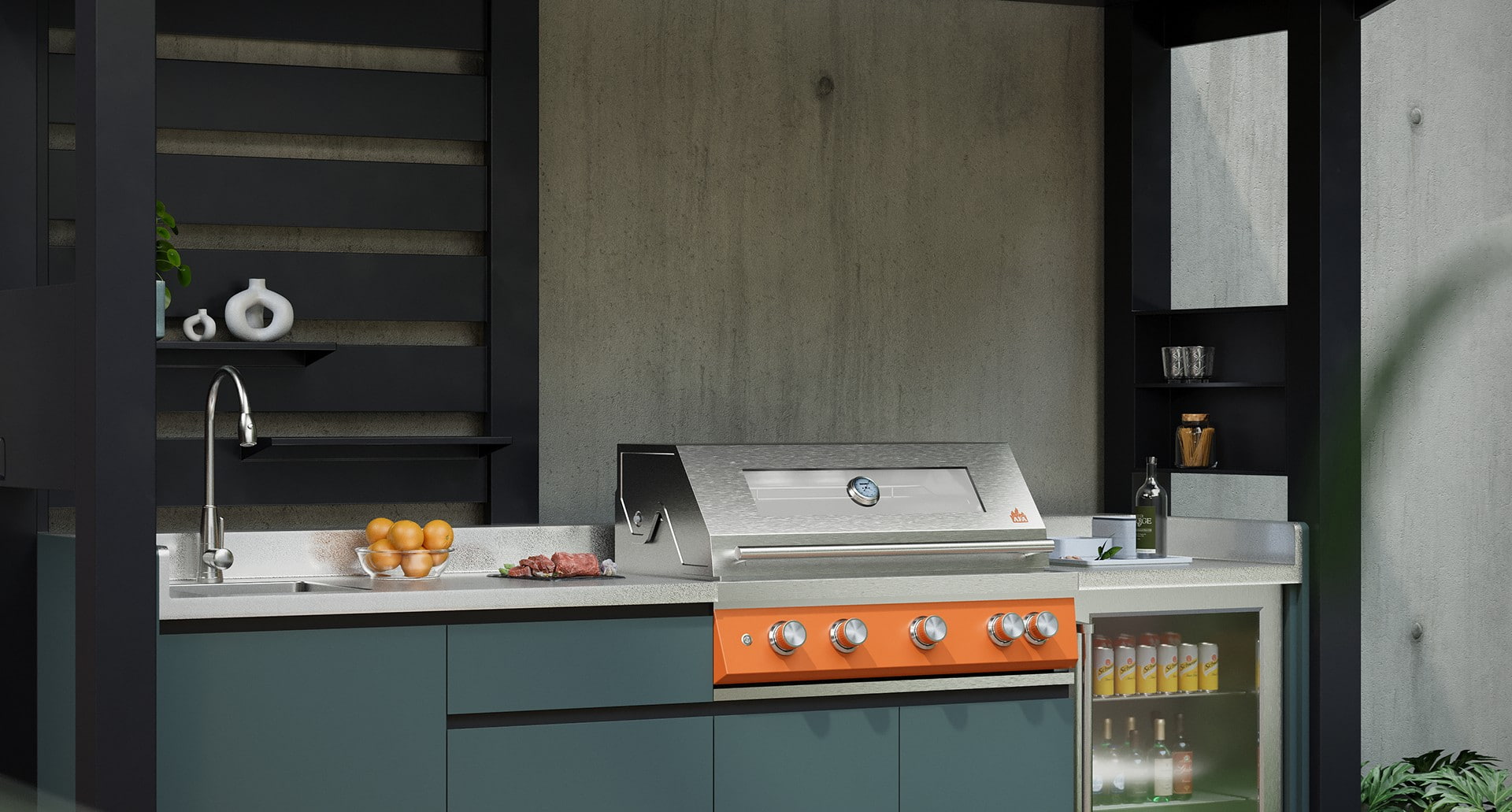
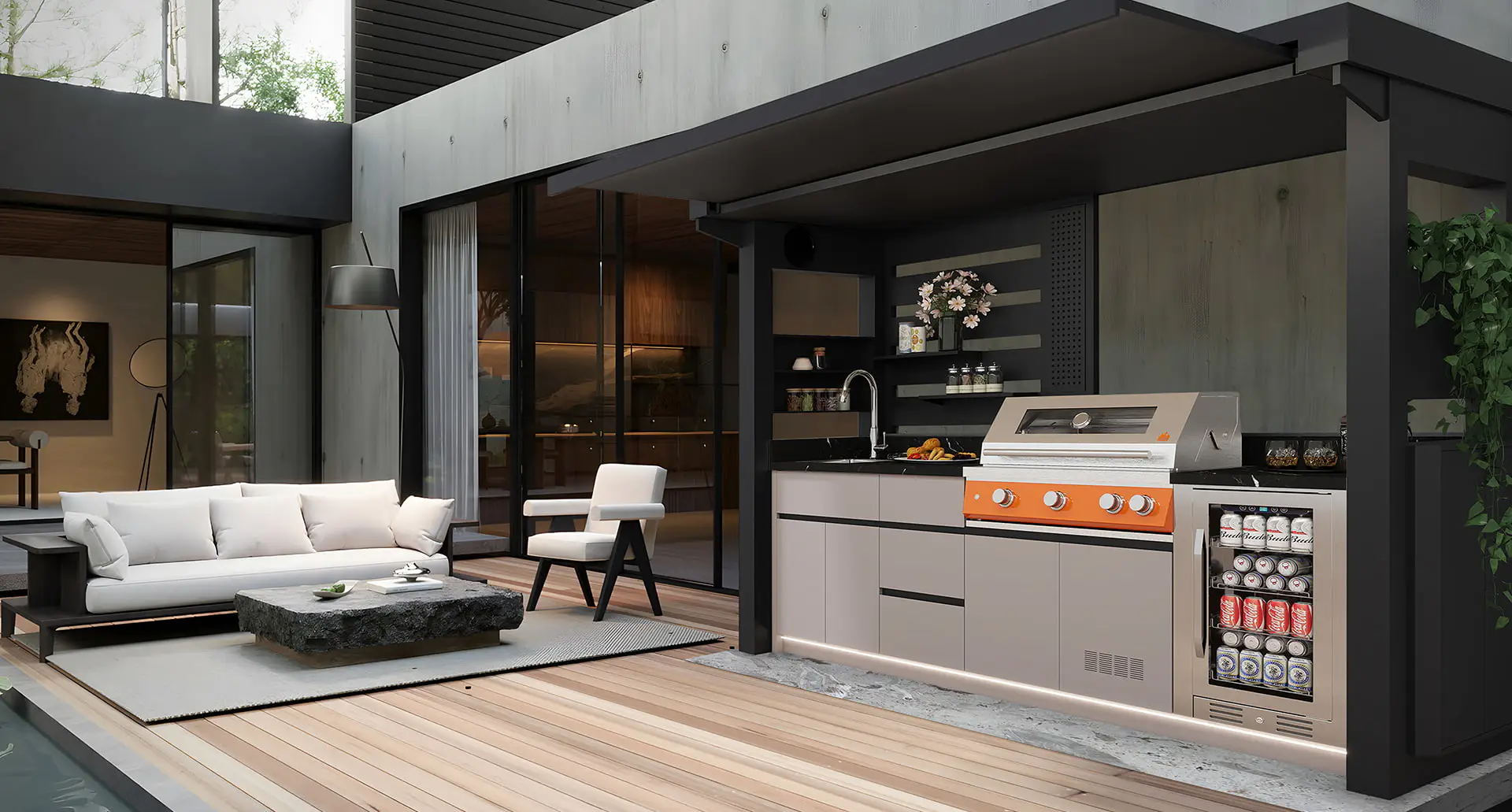
A fully functional outdoor kitchen BBQ setup integrates several components that work together to create a seamless cooking and entertaining station:
1. The BBQ Cooking Core
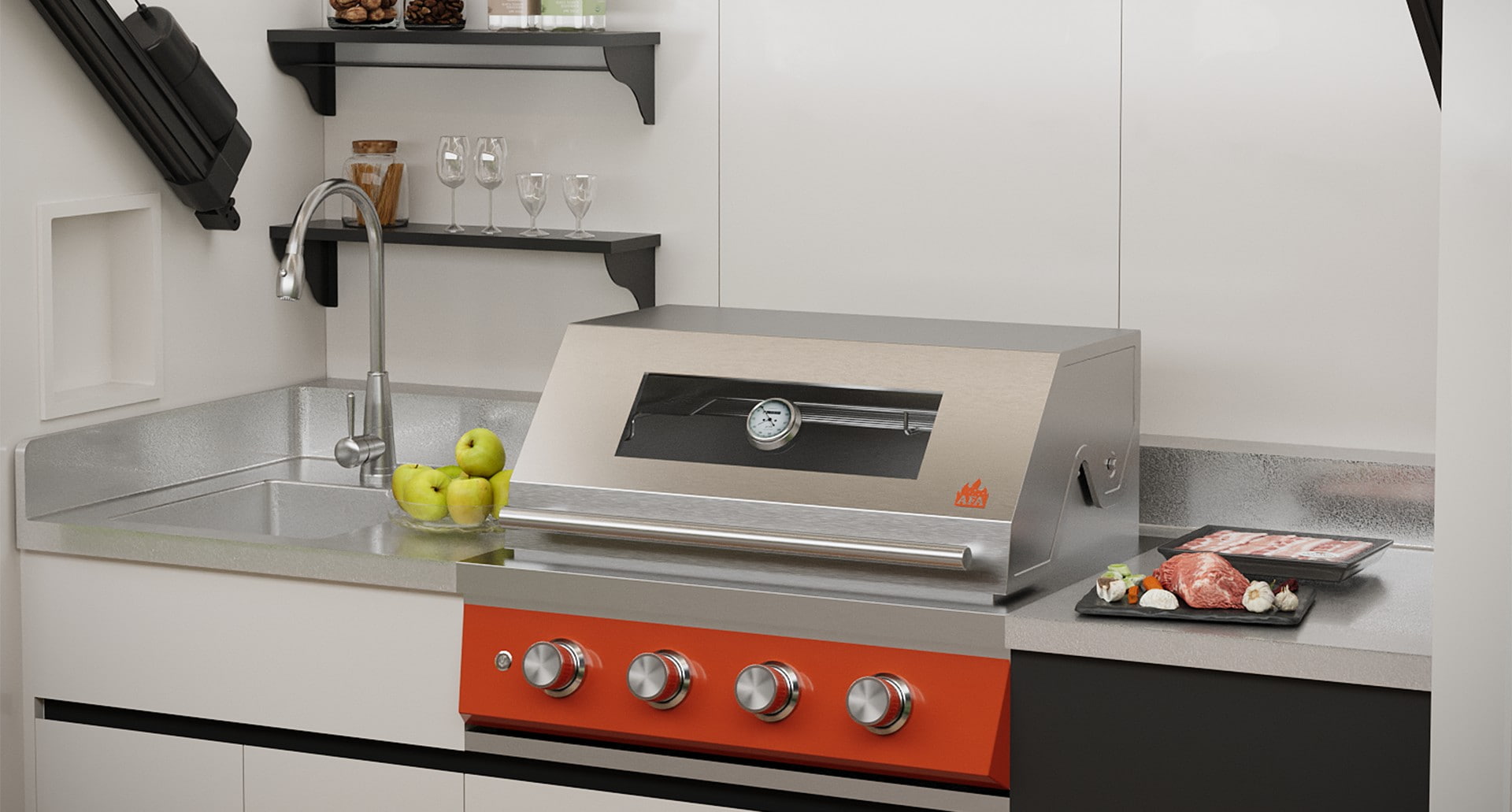
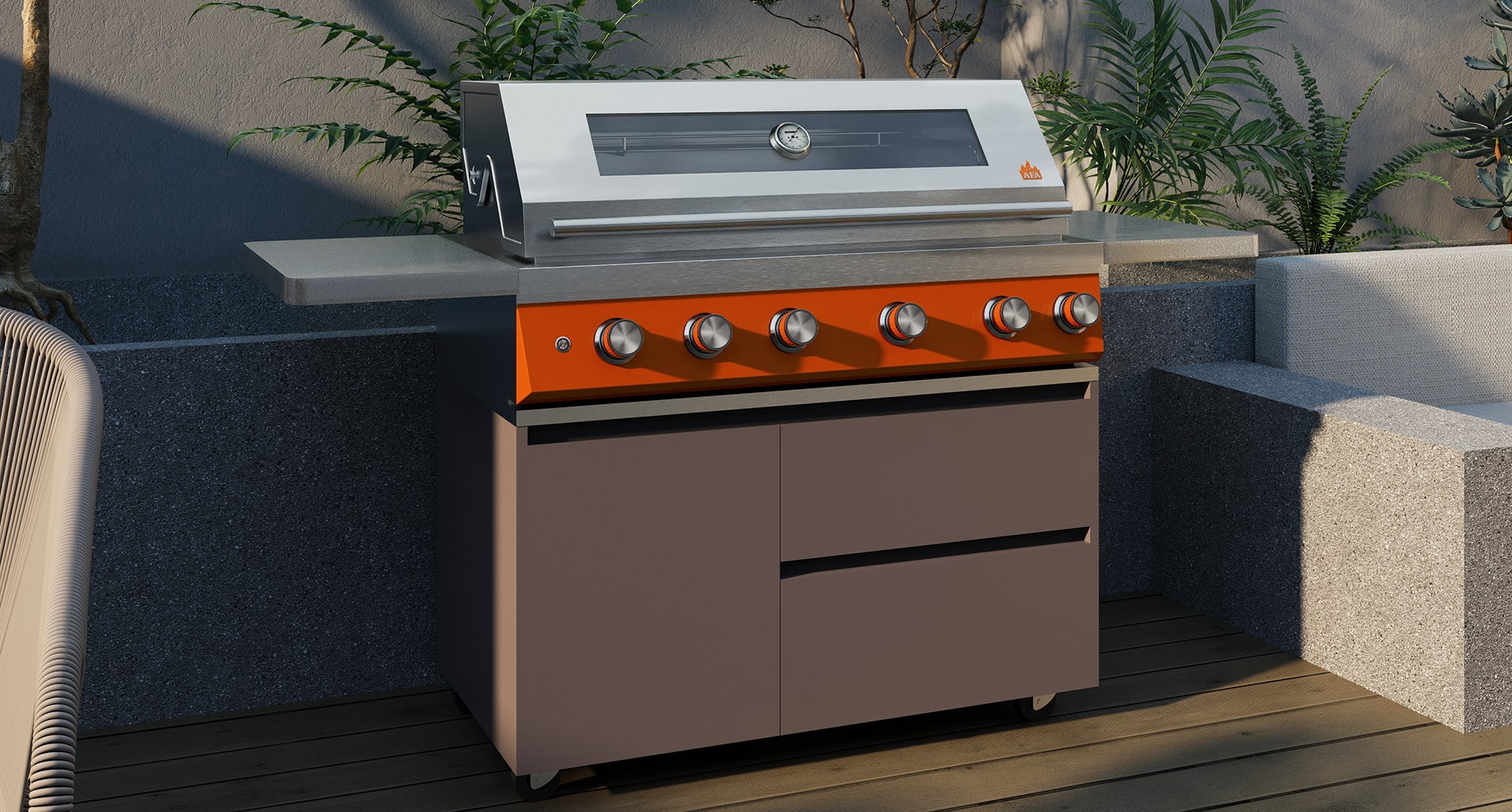
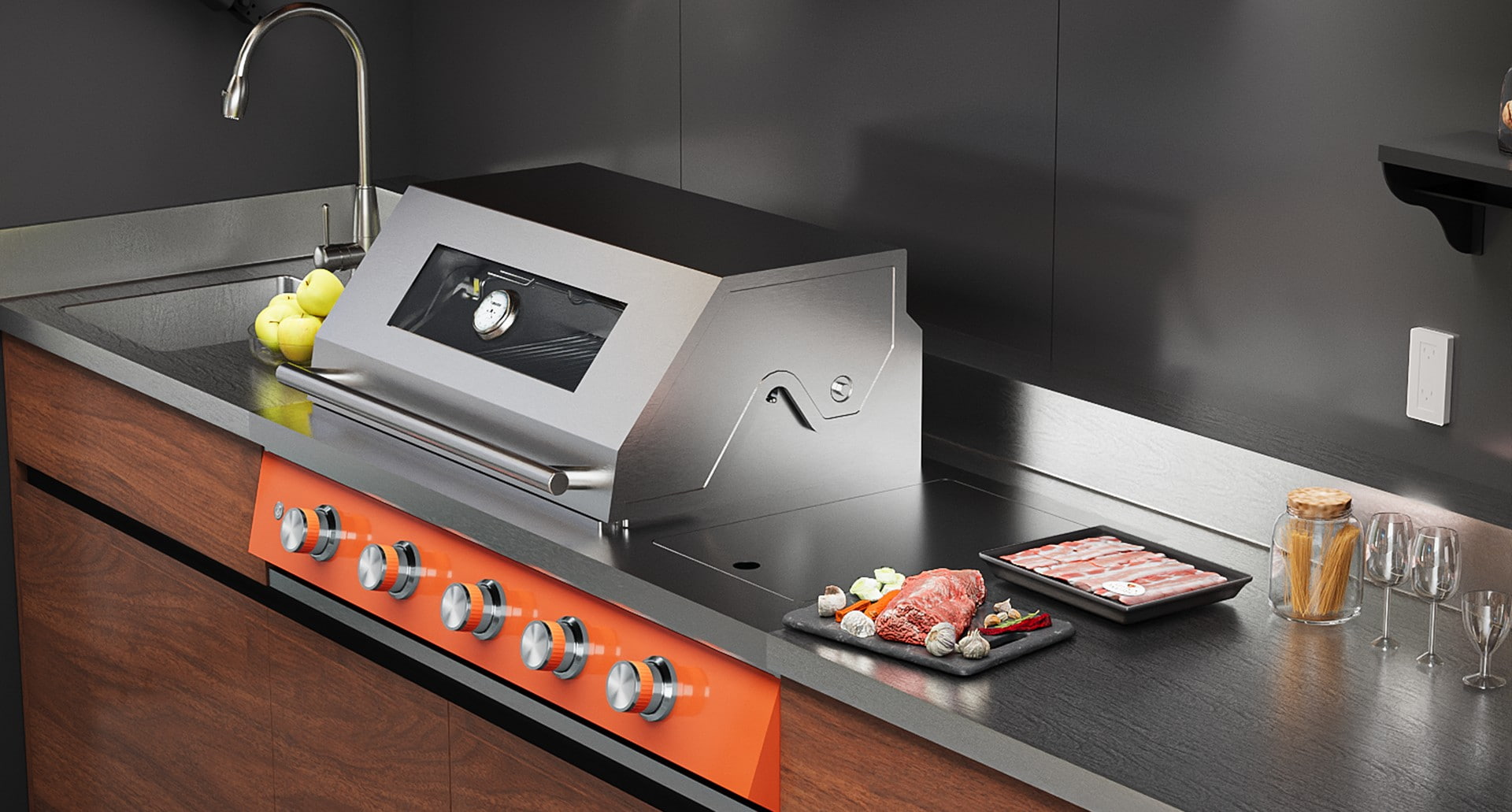
The grill or BBQ pod sits at the center of the system. Modern units offer gas burners ranging from 30,000 to 75,000 BTU, infrared sear zones, rotisserie hooks, and integrated thermometers. Intelligent BBQ pods — such as those developed by AFA — incorporate digital temperature controls and heat distribution systems that reduce flare-ups and ensure even cooking across the entire grill surface.
2. Outdoor Kitchen Units and Cabinet Modules
Flanking the BBQ are outdoor kitchen units: base cabinets, drawer modules, and undercounter refrigeration. These units are sized in standard increments (typically 300 mm, 400 mm, or 600 mm widths) so they can be combined into custom configurations. Soft-close drawer runners, marine-grade hinges, and ventilated door panels are standard features in quality stainless steel product lines.
3. Worktop and Utility Integration
A continuous stainless or stone worktop ties the modules together, providing prep space adjacent to the grill. Side burners, integrated sinks with hot/cold water, and built-in condiment rails are common additions. Running plumbing and gas lines during initial installation is strongly recommended to avoid costly retrofitting later.
Comparing Outdoor Kitchen Unit Configurations
| Configuration | Ideal For | Typical Width | Key Components |
|---|---|---|---|
| Compact Linear | Small patios, balconies | 1.2 – 1.8 m | BBQ grill, 2 base cabinets |
| Mid-Range Linear | Medium gardens, entertaining | 2.4 – 3.0 m | BBQ, sink, refrigerator, storage |
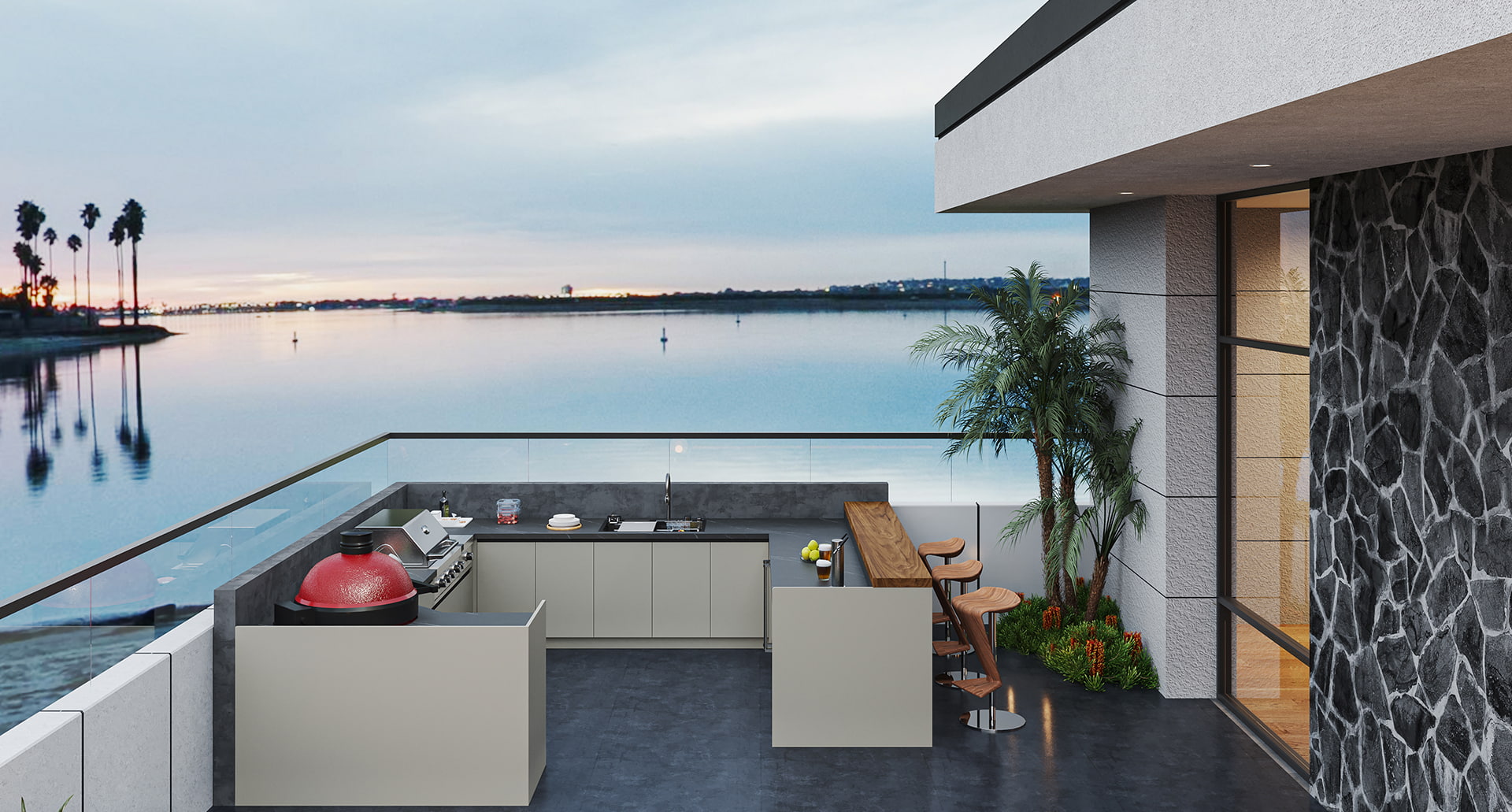
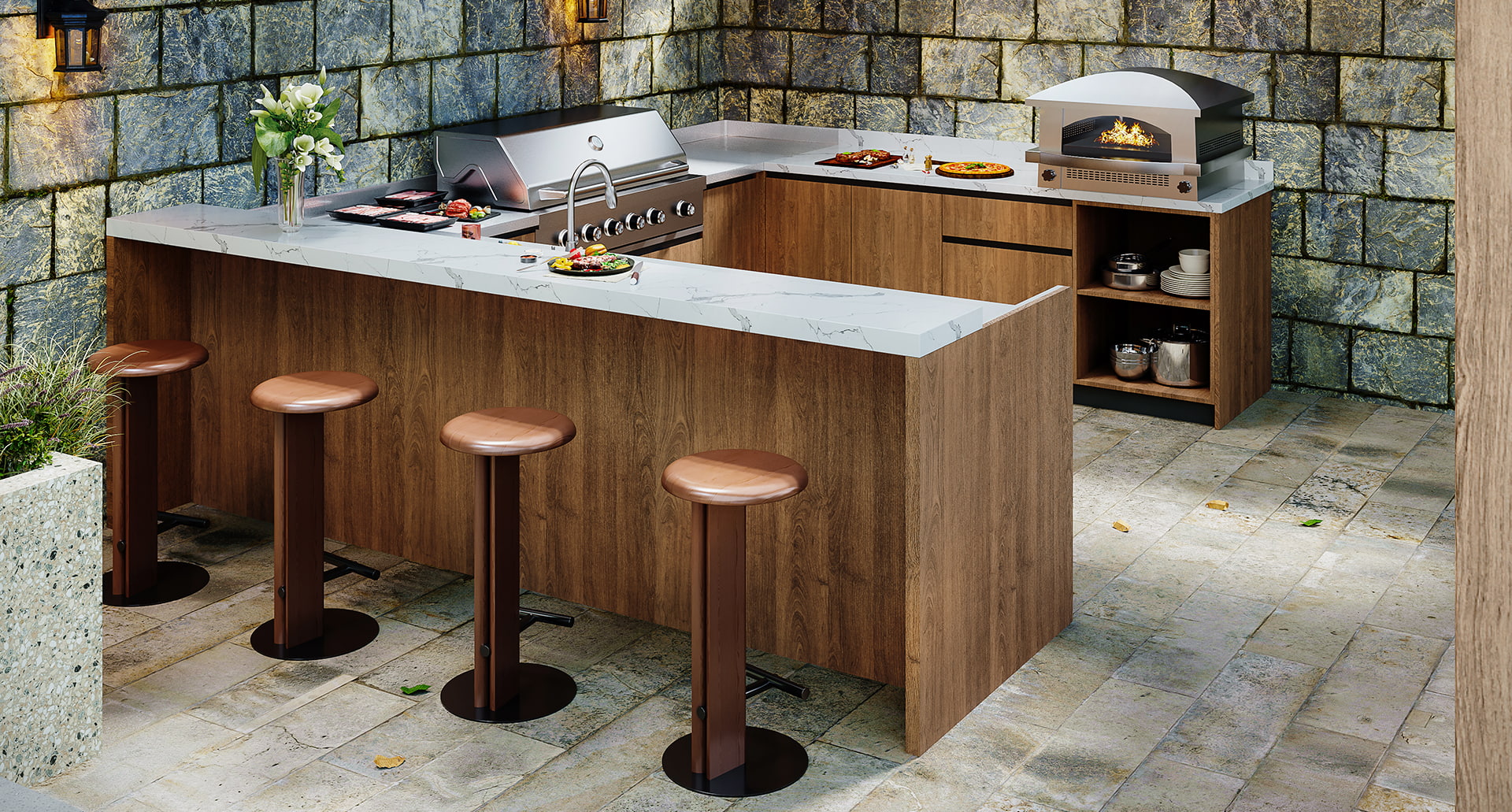
| L-Shape or U-Shape | Large outdoor spaces, frequent hosting | 3.6 m+ | Full appliance suite, side burner, bar seating |
Key Features to Look for in Outdoor Kitchen Units
Not all outdoor kitchen units are built to the same standard. When evaluating options, prioritize the following specifications:
- Steel gauge: Look for 1.0 mm to 1.2 mm thickness as a minimum for structural panels; thicker gauges resist denting and flex under heavy loads.
- Weld quality: Continuous TIG welds on seams and joints prevent water ingress and structural failure over time.
- Ventilation design: Gas appliance compartments must be ventilated to comply with safety codes in most markets, including the US and EU.
- Adjustable leveling feet: Essential for installation on uneven patios or decking; stainless adjustable legs prevent rocking and allow drainage gaps beneath cabinetry.
- Modular compatibility: Systems that follow a standardized module grid allow you to expand your outdoor kitchen units later without replacing the entire setup.
Planning and Installing Your Outdoor Kitchen BBQ
Successful outdoor kitchen BBQ projects require planning before any product is ordered. Consider these practical steps:
- Map your space and mark utility access points — gas supply, water inlet, drain, and electrical outlets all need to be within practical reach of your chosen location.
- Define your cooking style: a household that grills twice a week has different needs from one hosting 30+ guests monthly. This drives the BBQ output rating and storage volume you require.
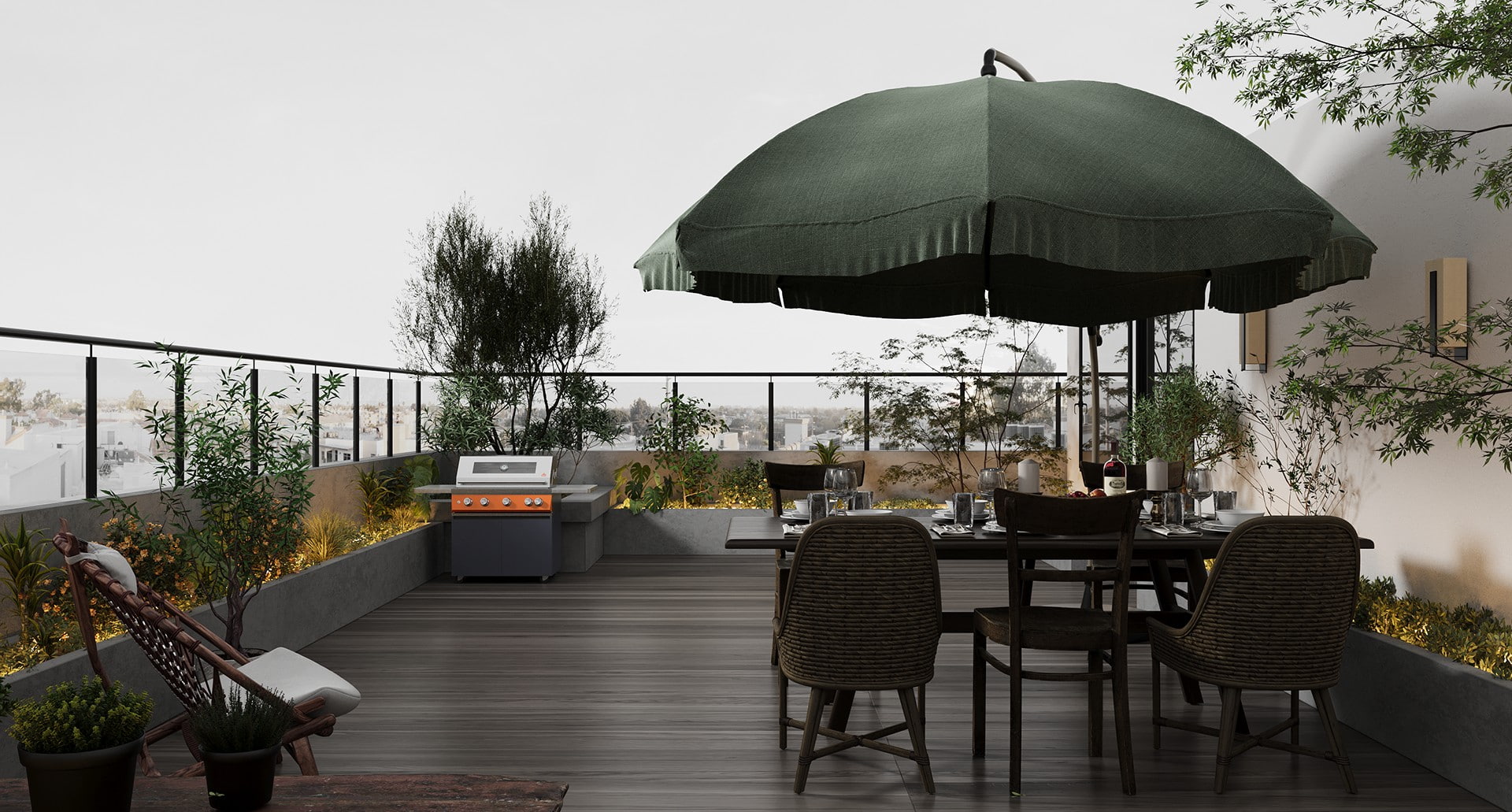
- Select a sheltered or semi-sheltered position. Direct sun exposure can heat stainless surfaces above 60°C; a pergola or sail shade meaningfully extends comfort and component lifespan.
- Confirm local building codes. In many US states, permanent outdoor kitchen structures require a permit if they include gas, plumbing, or electrical connections.
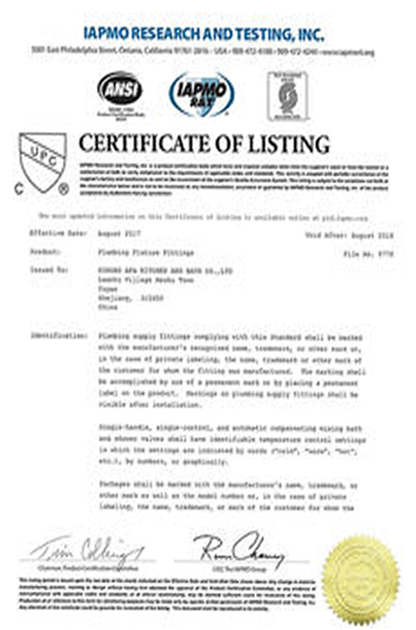
- Source products with verifiable certifications (CE, UL, or equivalent) to ensure safety compliance and facilitate permit approval.
Frequently Asked Questions
Q1: What is the difference between a built-in outdoor kitchen BBQ and a freestanding grill?
A freestanding grill is a portable, self-contained unit that can be moved around your outdoor space. A built-in outdoor kitchen BBQ is a drop-in or integrated grill that is permanently installed within a run of outdoor kitchen units. The built-in approach provides a cleaner aesthetic, greater surrounding workspace, and is typically paired with utility connections (gas line, refrigeration, sink) for a full cooking station experience. Built-in setups generally offer better long-term value for homeowners who entertain regularly.
Q2: How do I maintain stainless steel outdoor kitchen units?
Routine maintenance is straightforward. Wipe surfaces down with a damp microfiber cloth after each use to remove grease and food particles. For deeper cleaning, use a stainless steel cleaner applied in the direction of the grain to avoid scratching the finish. Avoid chlorine-based cleaners, which can damage the passive oxide layer that gives stainless its corrosion resistance. An annual inspection of hinges, seals, and gas connections is also recommended.
Q3: Can outdoor kitchen units be installed on a composite deck?
Yes, but with precautions. Confirm the deck's load rating — a fully equipped outdoor kitchen can weigh 300 kg or more. Use heat-resistant matting beneath the BBQ zone to protect composite boards from radiant heat. Ensure adequate ventilation beneath base cabinets to prevent moisture buildup, which can degrade composite decking over time. Consulting a structural engineer before installation on elevated decks is strongly advised.
Q4: What size outdoor kitchen BBQ setup is right for my space?
As a practical guideline: allow a minimum of 90 cm of clear circulation space around any working side of your outdoor kitchen units. A compact linear configuration (1.2–1.8 m) suits most patios under 15 m². Larger L-shaped or U-shaped setups are better suited to dedicated outdoor entertainment areas of 30 m² or more, where the additional prep and storage space comes into consistent use.
Copyright © 2025 Ningbo AFA Kitchen and Bath Co.,Ltd. All Rights Reserved. Custom Outdoor Kitchen BBQ Units Supplier
